Ceramic Coating Failure: Common Mistakes Richmond Owners Make and How to Avoid Them in Ceramic Coating Richmond
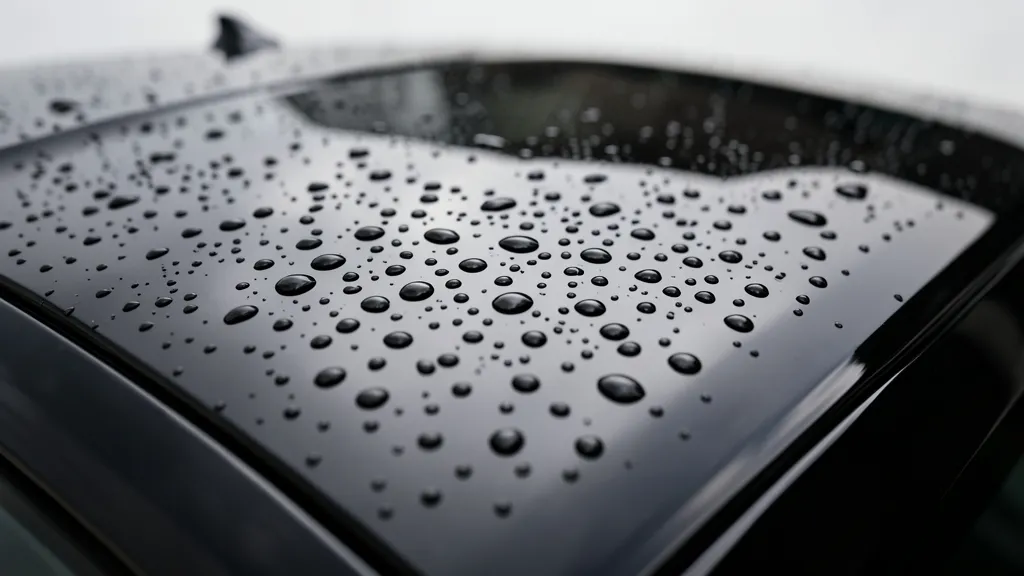
Ceramic coatings are a game-changer for vehicle protection, but even the best products fail when applied incorrectly. We’ve seen firsthand how small oversights during prep, application, or curing can turn a premium Ceramic Coating Richmond job into a short-lived disappointment. Here’s what local owners get wrong—and how to get it right.
Skipping Paint Correction Before Application
A ceramic coating amplifies your paint’s condition—flaws become permanent under the gloss. Swirl marks, oxidation, or scratches won’t disappear once sealed; they’ll be locked in for years.
Our team always starts with a thorough paint correction and polishing stage. This ensures the surface is flawless before the coating bonds, especially critical for darker vehicles common in Henrico and Glen Allen where imperfections show more.
Applying ceramic coating over unresolved paint defects wastes money. Correction is non-negotiable for a showroom finish.
Ignoring Richmond’s Humidity and Temperature
Richmond’s humid summers and chilly winters directly impact curing. High humidity slows cross-linking, while cold temps can prevent proper adhesion. Both lead to weak spots or peeling.
We monitor ambient conditions closely. Ideal application falls between 60–80°F with humidity under 60%. For Mechanicsville or Midlothian clients, we often schedule early mornings to avoid afternoon moisture spikes.
Improper Surface Prep and Contamination
Oils, waxes, or even residual polish compounds create invisible barriers. Ceramic coatings bond at a molecular level; any contamination breaks that bond, causing premature failure.
Our process includes a multi-step decontamination: clay bar treatment, iron remover, and IPA wipe-down. This is especially vital for fleet vehicles in Chesterfield that see heavy road grime.
Pre-Application Decontamination Steps
- Two-bucket wash with pH-neutral soap
- Clay bar to remove embedded contaminants
- Iron remover spray for brake dust and rail dust
- Final IPA wipe to eliminate oils and residues
Choosing the Wrong Coating for Your Needs
Not all ceramic coatings are equal. Consumer-grade sprays lack the durability of professional-grade SiO2 or TiO2-based formulas. Richmond’s UV exposure and pollen demand a robust, long-lasting solution.
We tailor recommendations based on usage. Daily drivers in Glen Allen may need a 5-year coating, while show cars in Henrico often benefit from layered systems with Paint Protection Film (PPF) for extra defense.
| Coating Type | Durability | Best For | Maintenance |
|---|---|---|---|
| Consumer Spray-On | 6–12 months | Quick shine, temporary protection | Reapply frequently |
| Professional SiO2 (Single Layer) | 2–3 years | Daily drivers, moderate climates | Annual inspection |
| Professional TiO2 (Multi-Layer) | 5+ years | Harsh UV, high pollen areas (Richmond) | Bi-annual maintenance wash |
| Hybrid (Coating + PPF) | 7–10 years | Luxury/collector vehicles, extreme conditions | Professional care recommended |
Rushing the Curing Process
Ceramic coatings need time to cross-link and harden. Driving in rain within 24–48 hours can wash away uncured layers. Richmond’s sudden summer storms have ruined more than a few fresh applications.
We advise clients to avoid car washes, rain, or even heavy dew for at least 48 hours. For full hardness, some coatings take up to 14 days—patience pays off in longevity.
Neglecting Post-Application Maintenance
Ceramic coatings aren’t maintenance-free. While they resist dirt, improper washing (harsh soaps, automatic brushes) can degrade the hydrophobic layer over time.
We recommend pH-neutral shampoos and microfiber towels. For areas like Midlothian with heavy tree sap, a monthly detailer spray helps maintain beading and slickness.
Avoid dish soap or household cleaners. They strip ceramic coatings faster than you’d expect.
Overlooking Wheels, Glass, and Interior Surfaces
Many owners focus only on the paint, but wheels, brake calipers, and glass suffer just as much from brake dust, UV, and water spotting. A full-vehicle approach extends protection to every surface.
Our Ceramic Coating Richmond services often include wheel and caliper coatings for Mechanicsville clients who drive on salty winter roads, plus ceramic window tint to reduce heat and UV inside the cabin.
How to Inspect Your Ceramic Coating for Early Signs of Failure
Catching issues early can save your coating—and your paint.
- 1Check Water Behavior
Spritz water on the surface. If it doesn’t bead tightly or sheets off unevenly, the hydrophobic layer may be degrading.
- 2Look for Water Spots
After rain, inspect for hard water spots. These indicate mineral deposits bonding to a weakened coating.
- 3Assess Gloss and Clarity
Compare the coated area to an uncoated section (e.g., under the hood). Dullness or hazing suggests contamination or UV damage.
- 4Run the Finger Test
Gently drag a clean finger over the surface. If it feels rough or drags, the coating may be compromised by embedded dirt or improper curing.
- 5Inspect Edges and Seams
Failure often starts at panel edges or trim. Peeling or discoloration here means the coating didn’t adhere properly during application.
Frequently Asked Questions
How long should a professional ceramic coating last in Richmond’s climate?
With proper prep and maintenance, a high-quality Ceramic Coating Richmond application typically lasts 3–5 years. Richmond’s UV index and pollen can shorten this if post-care is neglected. Request a quote to discuss options tailored to your vehicle and driving habits.
Can I apply a ceramic coating myself to save money?
DIY kits exist, but they lack the durability and depth of professional-grade products. Paint correction mistakes or improper prep can lead to costly fixes. For long-term protection, especially on high-end vehicles in Glen Allen or Henrico, professional application is worth the investment.
What’s the difference between ceramic coating and Paint Protection Film (PPF)?
Ceramic coatings add a sacrificial, hydrophobic layer that enhances gloss and UV resistance. PPF is a physical, self-healing film that protects against rock chips and scratches. Many Richmond owners combine both: PPF for impact areas and ceramic coating for the rest of the vehicle.
Why do some ceramic coatings fail within months in Richmond?
The most common culprits are poor surface prep, incorrect product choice for the climate, or rushing the curing process. Richmond’s humidity and temperature swings demand precise application timing and techniques that not all installers prioritize.
Does ceramic coating prevent all scratches and swirl marks?
No. Ceramic coatings add scratch resistance but aren’t scratch-proof. They protect against minor marring and UV fading but won’t stop deep scratches from keys or debris. For full scratch protection, consider pairing with PPF, especially for vehicles in high-traffic areas like Chesterfield.
Is ceramic window tint worth it for Richmond drivers?
Absolutely. Ceramic window tint blocks 99% of UV rays and reduces heat buildup, which is a major advantage during Richmond’s hot summers. It also complements full-vehicle ceramic coatings by protecting interior surfaces from fading.