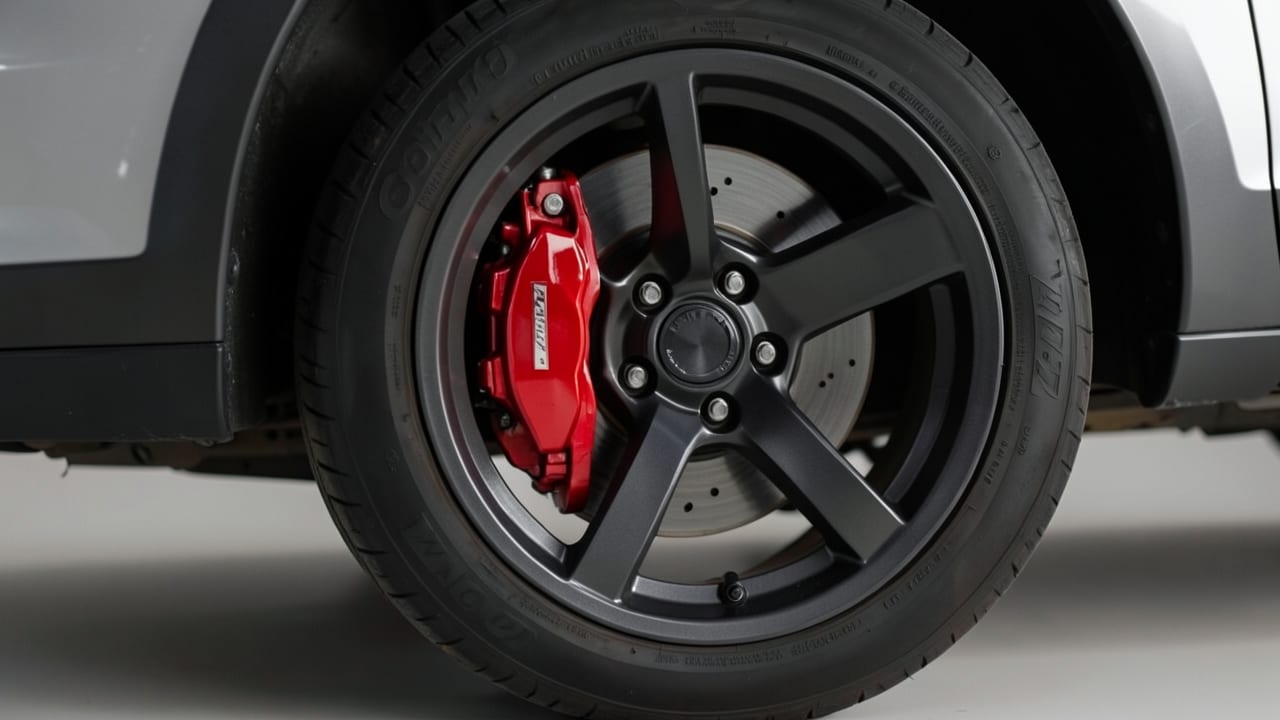
Wheel & Brake Caliper Ceramic Coating
Dedicated ceramic coating for wheels and brake calipers in Richmond, VA — stops brake dust and corrosive grime from bonding to the finish.
In Richmond, VA, your wheels endure the worst—corrosive brake dust, road grime, and extreme heat. Our dedicated wheel and brake caliper ceramic coating service protects these high-abuse surfaces with a heat-resistant formula, reducing maintenance and preserving your vehicle’s appearance.
Why Wheels Need Special Protection in Richmond
Richmond’s roads expose your wheels to aggressive contaminants like brake dust and salt, which corrode alloy finishes over time. Standard ceramic coatings can’t handle the heat cycles near brakes, so we use a high-temperature formula designed specifically for wheels and calipers.
We also handle Full-Vehicle Ceramic Coating and Paint Correction & Polishing for Richmond vehicles.
Without protection, brake dust bonds to the wheel surface, requiring harsh scrubbing that damages clear coats. Our ceramic coating prevents this bonding, making cleanup as simple as a rinse and light wipe. Wheel barrels and inner faces—often overlooked—are fully coated when we remove the wheels, ensuring comprehensive protection.
| Signs Your Wheels Need Coating | What Happens Without Protection |
|---|---|
| Brake dust caked on wheels after every drive | Permanent pitting and discoloration on alloy surfaces |
| Frequent scrubbing with stiff brushes | Clear coat damage and premature wear |
| Visible corrosion on wheel barrels or calipers | Structural weakening and costly refinishing |
| Dull, hazy finish despite regular washing | Oxidation from embedded contaminants |
Caliper Coating: The Finishing Touch
For a showroom-quality look, we also offer color-matched brake caliper coating. Calipers are cleaned, primed, and coated in place (without removal) for most jobs, using the same high-temperature ceramic formula to resist brake dust buildup.
This add-on service not only enhances aesthetics but also protects calipers from corrosion and heat damage. A coated caliper stays cleaner longer, reducing the need for frequent detailing.
What’s Included in Caliper Coating
- Thorough cleaning with iron-remover and degreaser
- Light abrasive decontamination for embedded grime
- Color-matched primer and ceramic topcoat
- Protection against brake dust and heat cycles
How Wheel & Caliper Ceramic Coating Works
Our process ensures full protection and long-lasting results for your wheels and calipers.
- 1Wheel Removal & Cleaning
We remove wheels to access the full barrel and face, then use an iron-remover wheel cleaner and light abrasive decontamination to remove embedded brake dust and grime.
- 2Surface Prep
All surfaces are degreased, decontaminated, and dried to ensure the ceramic coating bonds properly. Skipping this step risks sealing in contaminants.
- 3High-Temperature Coating Application
We apply a ceramic coating formulated for extreme heat cycles near brakes, ensuring durability where standard coatings fail.
- 4Caliper Coating (Optional)
For calipers, we clean, prime, and coat them in place (without removal) using the same heat-resistant formula, color-matched to your preference.
- 5Curing & Final Inspection
The coating is allowed to cure, and we perform a final inspection to ensure full coverage and a flawless finish before reinstalling the wheels.
Frequently Asked Questions
How long does the wheel ceramic coating last?
With proper care, the coating can last 2–5 years, depending on driving conditions and maintenance. Regular rinsing and avoiding harsh chemicals extend its lifespan.
Can you coat my wheels without removing them?
We prefer to remove wheels to coat the full barrel and inner surfaces, but we can apply coating to the faces only while mounted if removal isn’t possible.
Does the coating prevent brake dust entirely?
No, but it makes brake dust and grime much easier to rinse off. Wheels will still accumulate dust, but cleanup requires far less effort.
How much does caliper coating add to the cost?
Caliper coating is priced per axle or per vehicle as an add-on. Call for a quote tailored to your vehicle and preferences.
See Henrico, VA for more, or check out our full Richmond-area coverage in full for our complete lineup.
Ready to get started?
Talk to a local ceramic coating pro in Richmond — get a written quote.
Other Ceramic Coating Services in Richmond
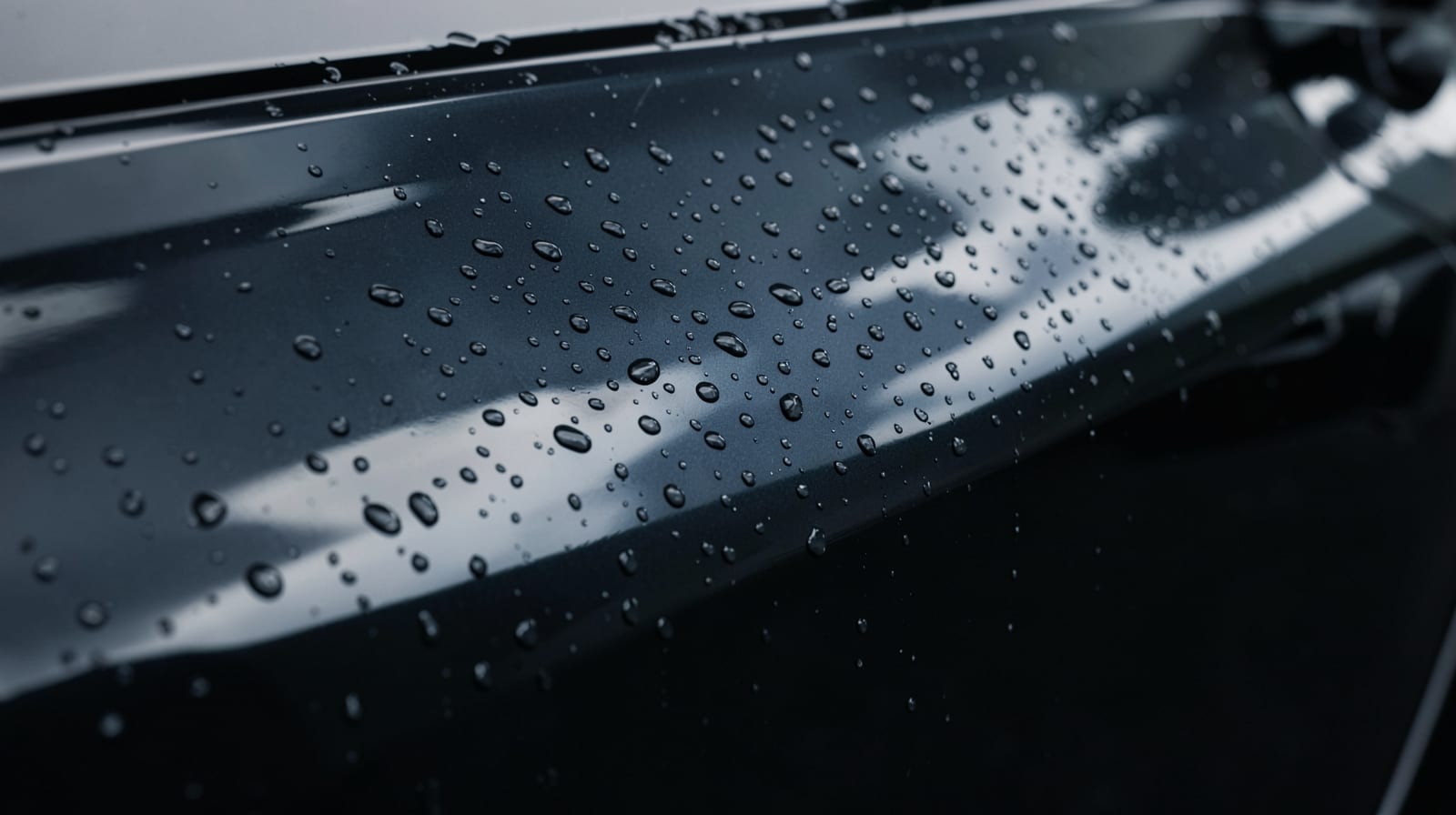
Full-Vehicle Ceramic Coating in Richmond, VA
Professional nano-ceramic coating for vehicles in Richmond, VA — a hard, semi-permanent SiO2 layer for deep gloss, strong hydrophobic protection, and easier washing.
Learn More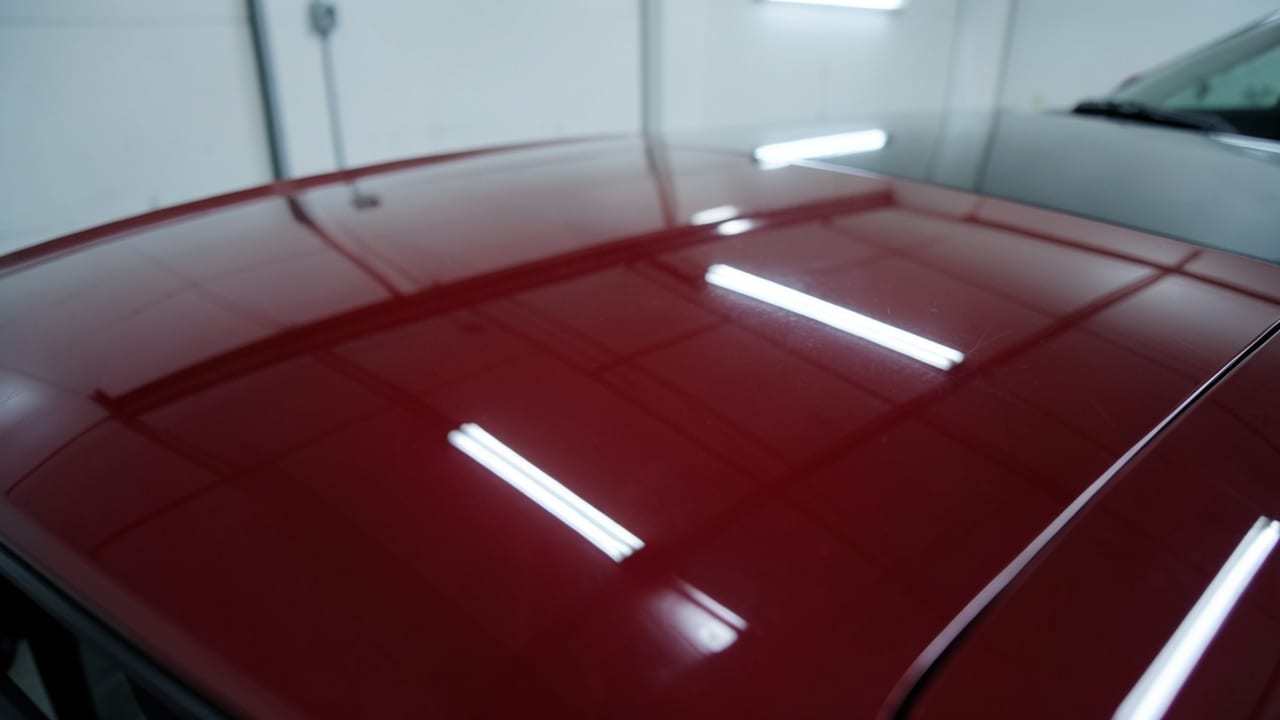
Paint Correction & Polishing in Richmond, VA
Machine paint correction and polishing in Richmond, VA — removes swirl marks, oxidation, and water spots, and is the mandatory first step before any ceramic coating.
Learn More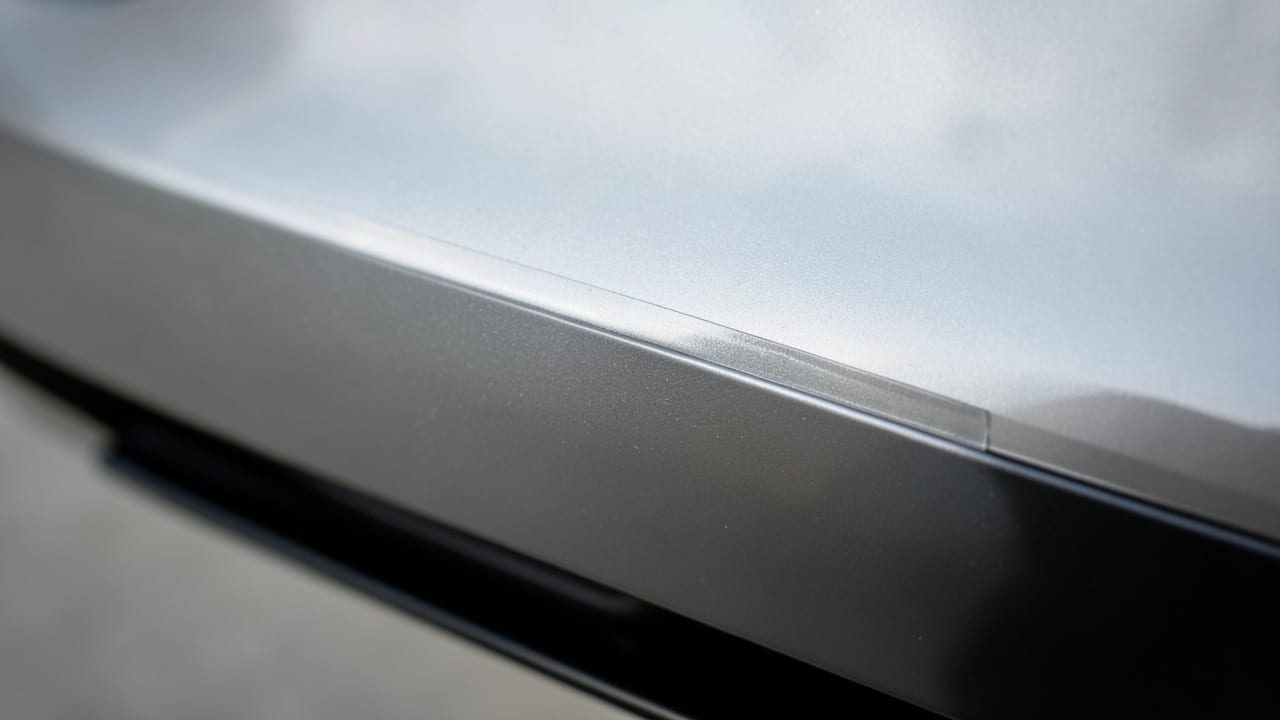
Paint Protection Film (PPF) Installation in Richmond, VA
Self-healing clear PPF installation in Richmond, VA for high-impact panels or a full-body wrap — real physical protection against rock chips and road debris.
Learn More
Ceramic Window Tint in Richmond, VA
Nano-ceramic window tint in Richmond, VA — rejects heat and blocks 99% of UV without the signal interference or fading of cheaper films.
Learn More
Interior Ceramic Protection in Richmond, VA
Interior fabric, leather, and trim ceramic protection in Richmond, VA — guards against spills, UV fading, and daily wear.
Learn More
Headlight Restoration & Coating in Richmond, VA
Headlight restoration and UV-protective coating in Richmond, VA — restores clarity and nighttime visibility without replacing the assembly.
Learn MoreCommon Questions About Ceramic Coating in Richmond
Everything you need to know about ceramic coating services in Richmond
How much does Wheel & Brake Caliper Ceramic Coating typically cost in Richmond, VA?
What local driving and climate factors matter most when choosing a coating tier in Richmond, VA?
What's the actual difference between wax, paint sealant, and ceramic coating?
Can ceramic coating be applied at home instead of by a detailing shop?
How long does a ceramic coating actually last in real-world use?
What is the difference between graphene and SiO2 ceramic coatings?
Need Ceramic Coating in Richmond?
Get a written quote from our Richmond crew.
⏰ We answer your call • Serving all of Richmond and surrounding areas