Common Mistakes That Damage Ceramic Coating in Richmond, VA
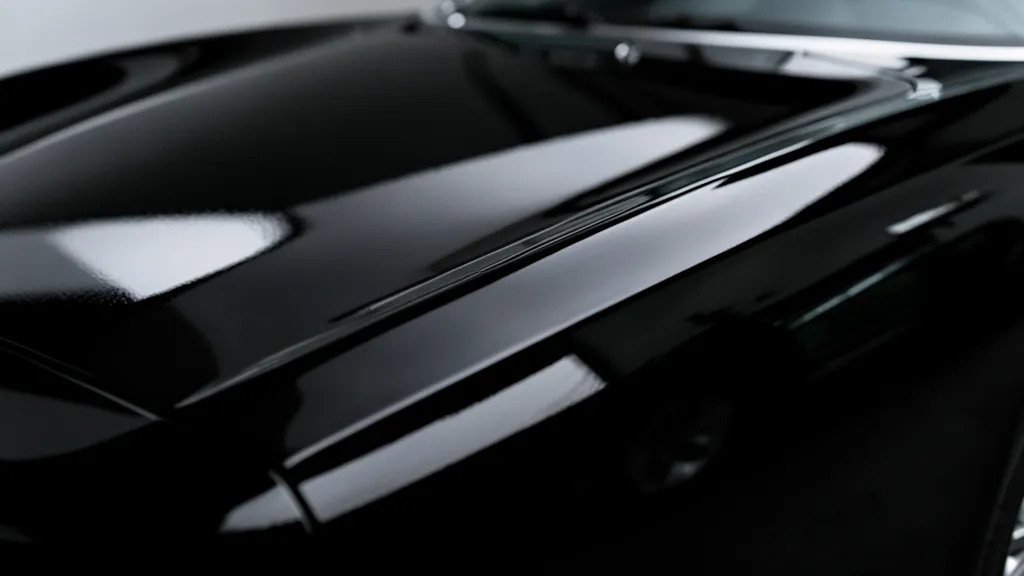
Ceramic coatings are a game-changer for vehicle protection, but even a small mistake can cut their lifespan short. Our team sees the same preventable issues in Richmond’s climate—humidity, pollen, and road salt take a toll if you’re not careful. Here’s how to keep your coating performing like new for years.
Using the Wrong Cleaning Products
Harsh detergents, dish soap, or household cleaners strip the hydrophobic layer. Always use pH-neutral automotive shampoo to preserve the coating’s integrity.
Avoid products with wax or silicone fillers. These can leave residues that dull the finish and interfere with the coating’s self-cleaning properties.
Even ‘mild’ household cleaners can degrade ceramic coatings. Stick to products labeled safe for ceramic or graphene coatings.
Skipping the Pre-Wash Decontamination
Richmond’s roads are littered with iron particles, tar, and industrial fallout. Skipping a thorough decontamination before washing scratches the coating with embedded grit.
Use an iron remover and clay bar or mitt during maintenance washes. This step is non-negotiable for longevity, especially after winter salt exposure.
Washing in Direct Sunlight or High Heat
Sunlight causes water and soap to dry too quickly, leaving water spots that etch into the coating. In Richmond’s humid summers, this is a fast track to streaks and mineral deposits.
Wash in a shaded area or early morning/evening. Use the two-bucket method with grit guards to prevent swirl marks.
One bucket for soap, one for rinsing your mitt. This keeps dirt out of your wash solution and off your coating.
Automatic Car Washes: The Silent Killer
Brush-based car washes use abrasive materials that wear down ceramic coatings over time. Even touchless washes can leave harsh chemical residues.
Hand washing is the only safe option. If you must use an automatic wash, choose touchless and rinse thoroughly afterward to remove any lingering chemicals.
Ignoring the Curing Process
Ceramic coatings need time to bond fully. Exposing the vehicle to rain, moisture, or contaminants too soon can weaken adhesion and reduce durability.
Most professional-grade coatings require 24–48 hours to cure. Avoid driving in rain or parking under trees during this window, especially in Richmond’s unpredictable weather.
Using Abrasive Towels or Sponges
Old T-shirts, paper towels, or rough sponges create micro-scratches that dull the coating’s gloss. These imperfections also trap contaminants, accelerating degradation.
Invest in high-quality microfiber towels (1600 GSM or higher) and wash them separately from other laundry. Replace them when they lose their plushness.
Neglecting Regular Maintenance
Ceramic coatings aren’t a ‘set it and forget it’ solution. Without routine care, pollutants and UV exposure break down the hydrophobic layer faster in Richmond’s climate.
A maintenance wash every 2 weeks, topped with a ceramic-boosting spray sealant every 3–6 months, keeps the coating at peak performance. Pair this with annual inspections for Paint Correction & Polishing if needed.
Ceramic Coating Maintenance Routine
- Bi-weekly pH-neutral washes
- Quarterly decontamination wash
- Spray sealant top-up every 3–6 months
- Annual professional inspection
DIY Coating Application Errors
Improper surface prep, uneven application, or incorrect layering leads to premature failure. Many DIYers in Henrico or Chesterfield underestimate the need for Paint Correction & Polishing before coating.
Professional application ensures proper bonding and even coverage. For areas like wheel wells or brake calipers, Wheel & Brake Caliper Ceramic Coating requires specialized techniques to withstand high heat.
| Factor | DIY Risk | Professional Advantage |
|---|---|---|
| Surface Prep | Often incomplete, leaving contaminants | Full decontamination and Paint Correction & Polishing |
| Application Evenness | Uneven layers, missed spots | Precision application with controlled environments |
| Curing Conditions | Exposed to elements too soon | Controlled curing for maximum durability |
| Longevity | 1–2 years (if done perfectly) | 5–7+ years with proper care |
How to Safely Wash a Ceramic-Coated Vehicle
Follow these steps to clean your coated car without damaging the protective layer.
- 1Rinse Thoroughly
Use a pressure washer or hose to remove loose dirt. Start from the top and work downward to avoid re-depositing grime.
- 2Pre-Wash with Foam Cannon
Apply a pH-neutral foam to loosen embedded contaminants. Let it dwell for 3–5 minutes before rinsing.
- 3Two-Bucket Wash
Wash one panel at a time with a microfiber mitt, rinsing it in the grit guard bucket after each pass.
- 4Decontaminate
Use an iron remover spray and clay mitt to lift embedded contaminants. This step is critical in Mechanicsville or Midlothian where road grime is heavy.
- 5Rinse and Dry
Rinse all soap residue completely. Dry with a clean microfiber towel or blower to prevent water spots.
- 6Apply Maintenance Spray
Mist a ceramic-boosting spray sealant onto panels and buff with a fresh microfiber towel to refresh hydrophobicity.
Frequently Asked Questions
How often should I reapply ceramic coating in Richmond?
Professional-grade coatings last 5–7 years with proper care. However, Richmond’s climate—with its humidity, pollen, and salt—may require a maintenance spray every 3–6 months. Request a quote for an inspection if you notice reduced beading or gloss.
Can I wax over a ceramic coating?
No. Wax contains fillers that can clog the coating’s pores and reduce its self-cleaning ability. Stick to ceramic-specific spray sealants for maintenance.
Does ceramic coating protect against rock chips?
Ceramic coatings add scratch resistance but won’t stop rock chips. For full protection, consider Paint Protection Film (PPF) Installation on high-impact areas like the hood and bumper. We often combine both for vehicles in Glen Allen or Henrico.
What’s the biggest mistake people make with ceramic coating in Richmond?
Skipping decontamination before washing. Richmond’s air carries industrial pollutants and pollen that bond to the coating. Without proper prep, washing can grind these particles into the surface.
Is ceramic coating worth it for fleet vehicles in Richmond?
Absolutely. Fleet & Commercial Vehicle Coating reduces maintenance time and protects resale value. The upfront cost is offset by longer intervals between detailings and less paint damage from frequent washing.
Can I apply ceramic coating to my headlights?
Yes, but headlights require special prep. Our Headlight Restoration & Coating service removes oxidation first, then applies a UV-resistant ceramic layer to prevent yellowing and improve clarity.