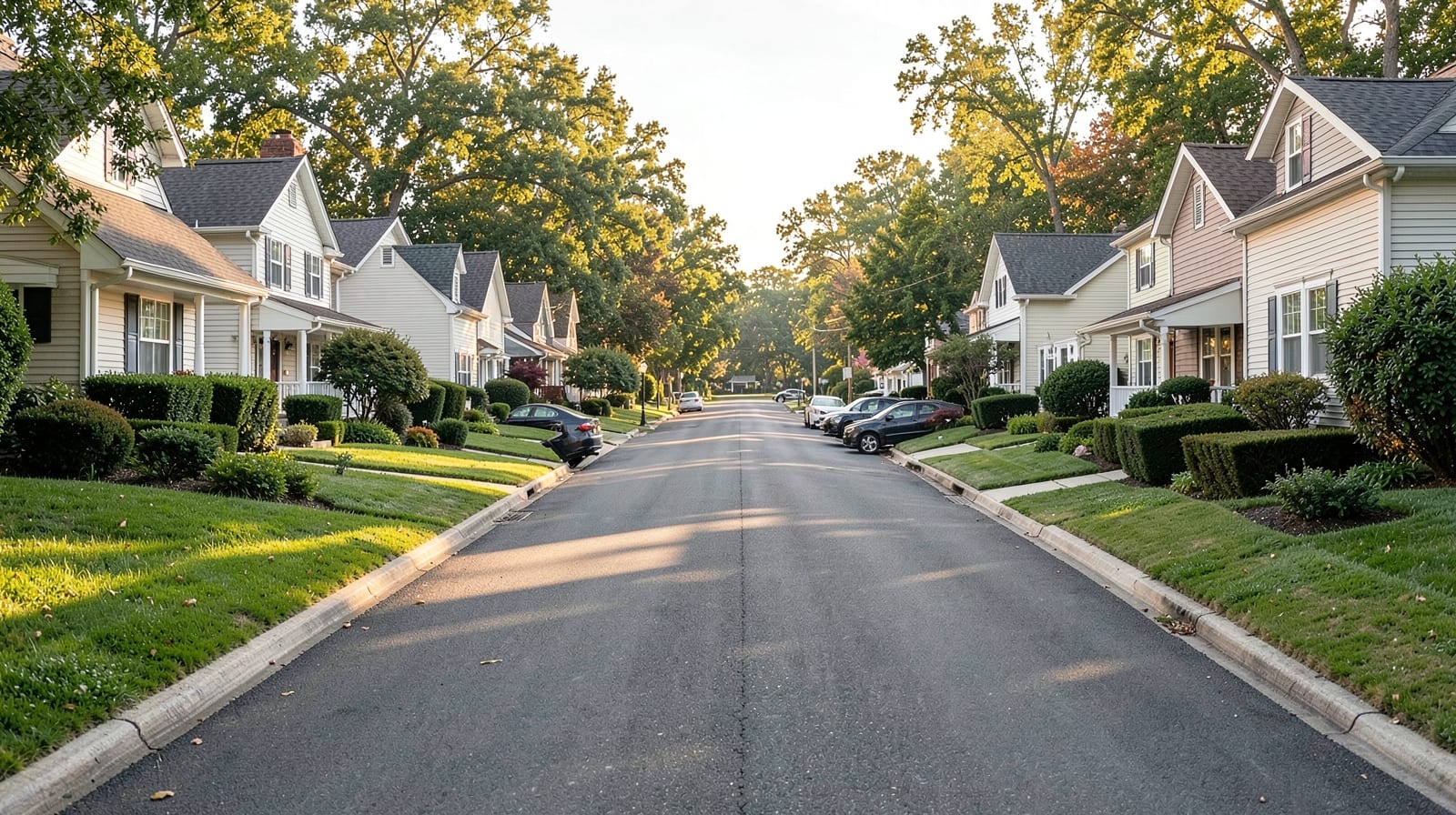
Ceramic Window Tint in Mechanicsville, VA
Ceramic Window Tint for Mechanicsville, VA vehicles — Mechanicsville is a Hanover County suburb to the northeast.
Vehicle owners in Mechanicsville can now get the same expert ceramic window tint service as Richmond customers, with the same crew and equipment. This durable tint blocks UV rays and heat, keeping interiors cooler during Mechanicsville's humid summers while adding a sleek look. It also provides year-round protection against light road salt exposure in winter, maintaining clarity and resilience through all four seasons.
Why ceramic window tint matters in Mechanicsville
Ceramic window tint helps Mechanicsville vehicle owners combat the area’s humid summers and mild but salty winters by blocking UV rays that fade interiors and reduce road salt’s corrosive impact on glass. As a Hanover County suburb with limited shade, drivers here face prolonged sun exposure, making ceramic tint’s heat rejection and UV protection ideal for preserving comfort and resale value year-round.
This service is also available via Ceramic Window Tint and Mechanicsville, VA.
What ceramic window tint actually involves, step by step
Glass cleaning. Each window is cleaned inside and out with a dedicated glass cleaner and razor-scraped where needed to remove old adhesive residue or sticker film, since any residue left on the glass shows through as a visible imperfection under the new tint film.
Pattern cutting. Film is cut to the exact shape of each window, either from a pre-programmed computer pattern matched to the vehicle's glass dimensions or hand-cut against the glass itself with a small margin trimmed off after application.
Wet application. A slip solution is sprayed on the glass and the film is applied while still repositionable, giving room to squeegee out air bubbles and water from underneath before the film sets against the interior surface of the glass.
Squeegee and edge trim. The film is squeegeed from the center outward to push out remaining moisture and air, and the edges are trimmed flush to the window's rubber seal so no visible gap or overhang is left along the frame.
Cure period. The film needs a cure period — typically several days, longer in cold weather — before the windows should be rolled down or the film cleaned, since rolling the glass down too early can catch and peel an edge that hasn't fully bonded yet.
What goes wrong when ceramic window tint is done badly
Bubbling from trapped moisture. Water or air trapped under the film during application that isn't fully squeegeed out shows up later as a small bubble once the adhesive cures, and a bubble that forms after the film has set generally can't be smoothed out without redoing that section.
Rolling the window down before cure. Operating a power window before the film has finished curing can catch the edge on the door seal and peel it back, which is why film installers generally ask that windows stay up for several days after installation.
Fading film over time. Lower-quality dyed film can fade and lose its darkness over a few years of UV exposure, which is a material-quality issue rather than an installation issue, and is generally what separates a dyed film from a ceramic or metalized one.
How to choose who does the work in Mechanicsville
Does the quote include paint correction before the coating is applied, or coating only? Coating applied over unaddressed swirl marks locks those imperfections in rather than fixing them. Is the full prep chain — wash, decontamination, clay bar, iron remover, panel wipe — specified, or just 'prep' as one line? Skipping steps like iron removal or clay bar leaves contaminants under the coating, which shortens how well it holds up. What coating tier is being quoted — SiO2 vs. graphene, single-layer vs. multi-layer — and what protection length does that tier typically carry in the market? Tiers vary widely in durability and price, so it helps to know exactly which one is being quoted. Is a written explanation of proper post-coating maintenance — wash method, curing window, products to avoid — provided? Incorrect washing during the curing period can compromise how well a coating bonds. Does the quote distinguish exterior paint coating from wheel, interior, or window coating packages? These are often priced and sold as separate add-ons even when marketed together. Is it explained clearly that coating does not stop rock chips or deep scratches? Coatings add hardness against light swirling but not impact protection, and that distinction is where overselling most often happens.
A quote listing 'coating' as a single line item with no breakdown of the prep steps. Prep quality — decontamination, clay bar, iron removal — affects how well a coating bonds, and a bid that skips describing it may be skipping the steps too. A tier described only by price, with no protection length or product type specified. Tiers vary widely in durability, and a price with no spec behind it is hard to compare to another bid. A price dramatically lower than every other quote for the same vehicle and tier. An unusually low price can mean a thinner coating, skipped decontamination steps, or a shorter-lasting product sold as a premium one. No explanation of post-coating maintenance or the curing window. Washing a freshly coated vehicle too soon, or with the wrong products, can compromise how the coating bonds. Any claim that the coating will stop rock chips, dents, or deep scratches. Coatings add surface hardness against light swirling, not impact protection, and a shop that blurs that distinction is overselling what the product does.
A Cooler, Protected Cabin
That means a noticeably cooler cabin in summer, reduced glare on the road, protected interior surfaces that would otherwise fade and crack under UV exposure, and skin protection for everyone in the vehicle — UV exposure through untinted glass is a real, measurable factor in driver-side skin damage over years of commuting.
Call for a quote on ceramic window tint for a Mechanicsville vehicle — pricing works the same as everywhere else in the service area.
See Ceramic Window Tint in Enon, VA for more — or discover our full Richmond-area coverage at a glance for our complete service area.
Serving Mechanicsville, VA
Ready to get started?
Talk to a local ceramic coating pro serving Mechanicsville, VA — get a written quote.
Other Services We Offer in Mechanicsville, VA
Pre-Event Showroom Gloss Enhancement in Mechanicsville, VA
Pre-Event Showroom Gloss Enhancement for Mechanicsville, VA vehicles — Mechanicsville is a Hanover County suburb to the northeast.
Learn More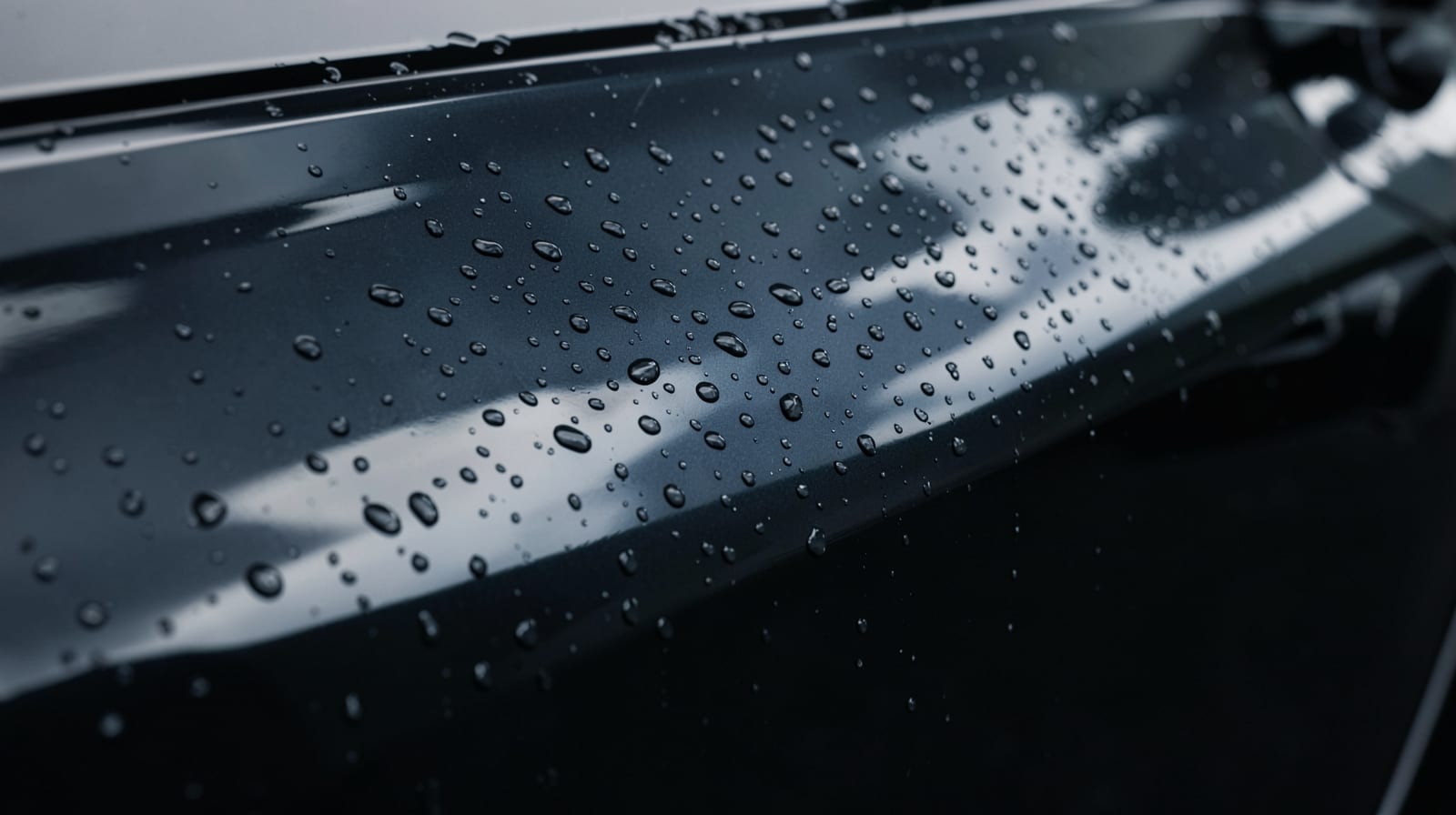
Full-Vehicle Ceramic Coating in Mechanicsville, VA
Full-Vehicle Ceramic Coating for Mechanicsville, VA vehicles — Mechanicsville is a Hanover County suburb to the northeast.
Learn MorePaint Correction & Polishing in Mechanicsville, VA
Paint Correction & Polishing for Mechanicsville, VA vehicles — Mechanicsville is a Hanover County suburb to the northeast.
Learn MorePaint Protection Film (PPF) Installation in Mechanicsville, VA
Paint Protection Film (PPF) Installation for Mechanicsville, VA vehicles — Mechanicsville is a Hanover County suburb to the northeast.
Learn More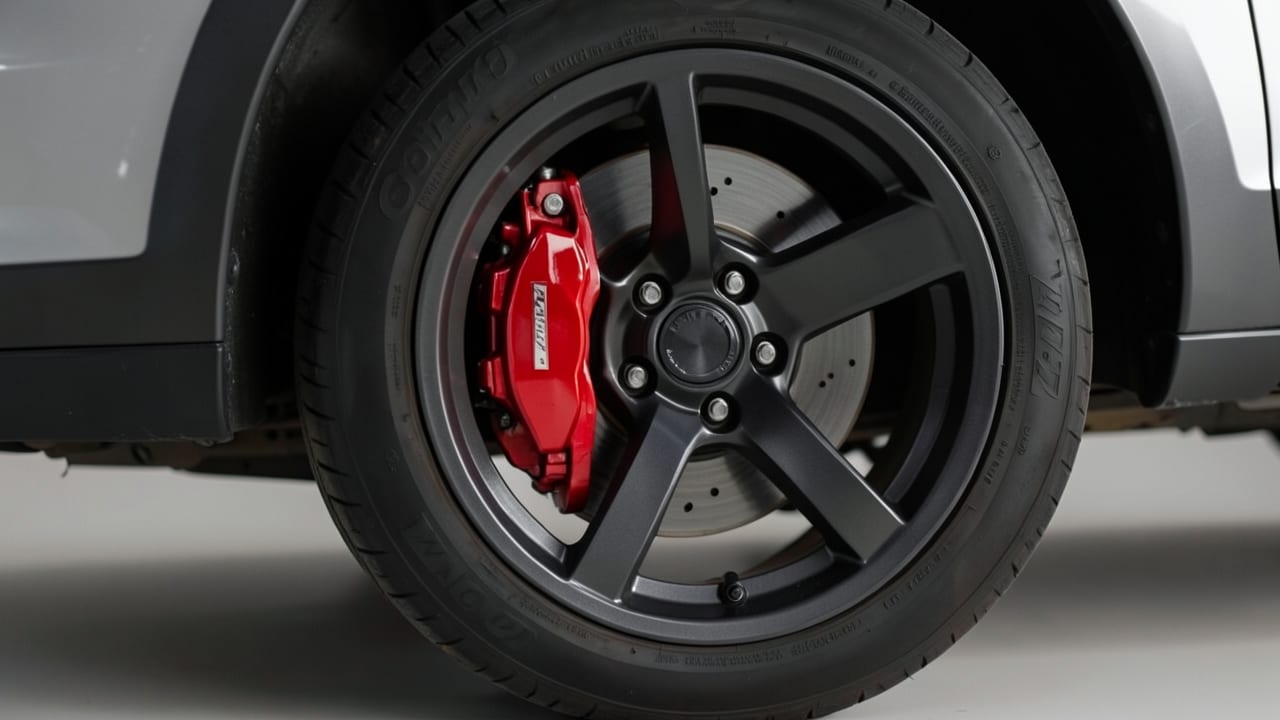
Wheel & Brake Caliper Ceramic Coating in Mechanicsville, VA
Wheel & Brake Caliper Ceramic Coating for Mechanicsville, VA vehicles — Mechanicsville is a Hanover County suburb to the northeast.
Learn MoreInterior Ceramic Protection in Mechanicsville, VA
Interior Ceramic Protection for Mechanicsville, VA vehicles — Mechanicsville is a Hanover County suburb to the northeast.
Learn MoreThe same service is also covered in Enon, VA , on the same terms.
Common Questions About Ceramic Coating in Mechanicsville, VA
Everything you need to know about ceramic coating services in Mechanicsville, VA
How much does Ceramic Window Tint typically cost in Mechanicsville, VA?
What local driving and climate factors matter most when choosing a coating tier in Mechanicsville, VA?
Will a ceramic coating stop rock chips or scratches?
What's the actual difference between wax, paint sealant, and ceramic coating?
Can ceramic coating be applied at home instead of by a detailing shop?
Need Ceramic Coating in Mechanicsville, VA?
Get a written quote from our Mechanicsville, VA crew.
⏰ We answer your call • Serving all of Mechanicsville, VA and surrounding areas