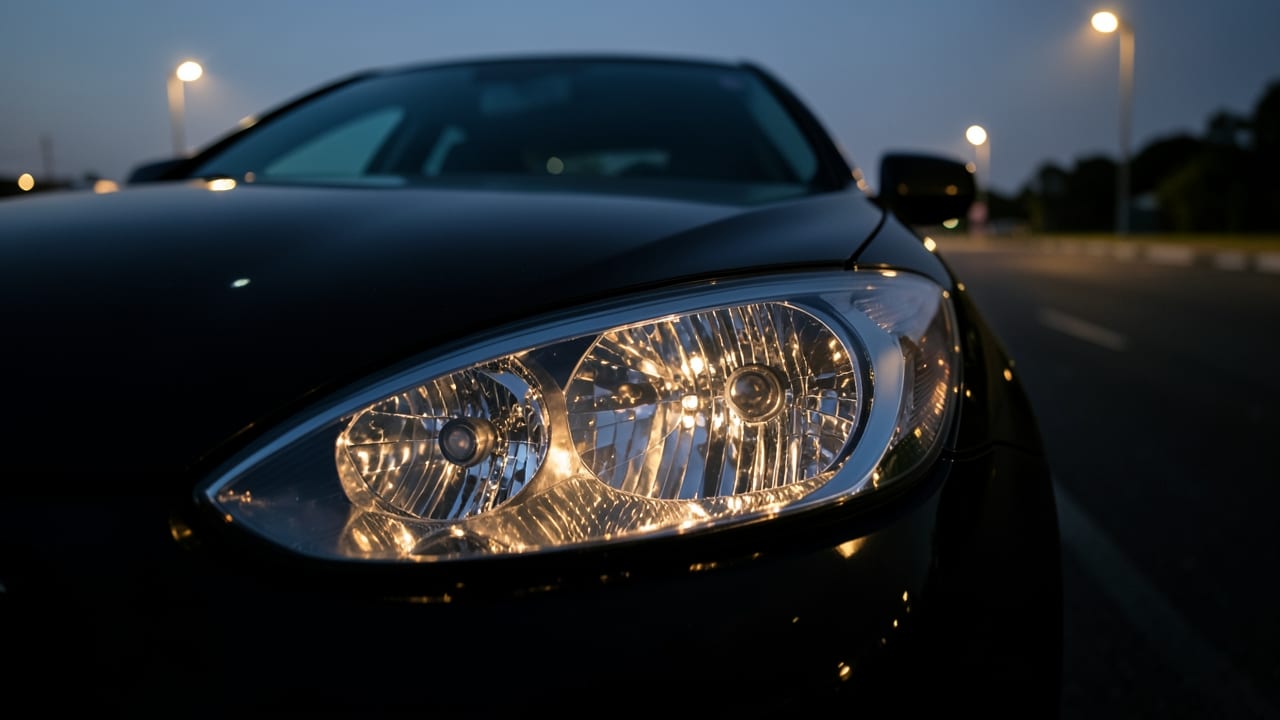
Headlight Restoration & Coating
Headlight restoration and UV-protective coating in Richmond, VA — restores clarity and nighttime visibility without replacing the assembly.
In Richmond, VA, cloudy or yellowed headlights reduce nighttime visibility and safety. Our headlight restoration and ceramic coating service removes oxidation, restores clarity, and applies a durable UV-protective ceramic layer to keep your lenses clear and bright for years.
Why Headlight Restoration Matters in Richmond
Richmond’s sunny days and seasonal temperature swings accelerate the breakdown of your headlight’s factory UV coating. Once gone, polycarbonate lenses oxidize, turning yellow and hazy—this isn’t surface dirt, but a material failure that scatters light and dims your beams.
We also handle Water Spot Removal and Bug Splatter Removal for Richmond vehicles.
Restoring clarity isn’t just cosmetic: hazed lenses can reduce low-beam output by up to 80%, making night driving riskier. Our process removes the damaged layer and seals the lens with a ceramic coating, a long-term fix that’s far cheaper than replacing headlight assemblies.
Signs Your Headlights Need Restoration
Not all headlight issues require restoration, but certain signs indicate oxidation is the culprit. If your lenses appear cloudy, yellowed, or dull even after washing, the factory UV coating has likely failed and the polycarbonate is degrading.
Common warning signs
- Visible yellowing or browning of the lens surface
- Reduced nighttime visibility despite clean bulbs
- Foggy or hazy appearance that doesn’t wipe off
- Uneven light projection or dimmer beams than usual
How Headlight Restoration & Coating Works
We use a multi-step process to remove oxidation and apply a protective ceramic coating.
- 1Surface Prep
The headlight lens is thoroughly cleaned and masked to protect surrounding paint and trim from sanding debris.
- 2Wet Sanding
We progressively wet-sand the lens with coarse to fine-grit sandpaper to remove the oxidized, UV-damaged outer layer of polycarbonate.
- 3Polishing
A machine polish restores the lens to optical clarity, smoothing out micro-scratches left by sanding to ensure maximum light transmission.
- 4Ceramic Coating Application
A dedicated UV-protective ceramic coating is applied, chemically bonding to the lens to prevent future oxidation and yellowing.
Frequently Asked Questions
How long does headlight restoration last?
Our ceramic coating typically lasts 2–5 years, far outlasting DIY wax or spray sealants, which often haze over within months. The coating’s durability depends on exposure to UV, road debris, and maintenance.
Will this fix a cracked or broken headlight?
No. Restoration only addresses oxidation and hazing. Cracks, chips, or moisture inside the lens require replacement or professional repair.
How much does it cost compared to replacing headlights?
Restoration is significantly cheaper. Replacing a single headlight assembly on newer vehicles can cost $200–$800+, while restoration is typically priced per pair and offers similar or better visibility results.
How long does the service take?
The full restoration and coating process usually takes 1–2 hours per vehicle, depending on the condition of the lenses. We can often complete it while you wait.
See Midlothian, VA for more, or browse what we cover for Richmond vehicles at a glance for our complete lineup.
Ready to get started?
Talk to a local ceramic coating pro in Richmond — get a written quote.
Other Ceramic Coating Services in Richmond
Water Spot Removal in Richmond, VA
Professional removal of water spots from ceramic-coated or painted surfaces to restore appearance.
Learn More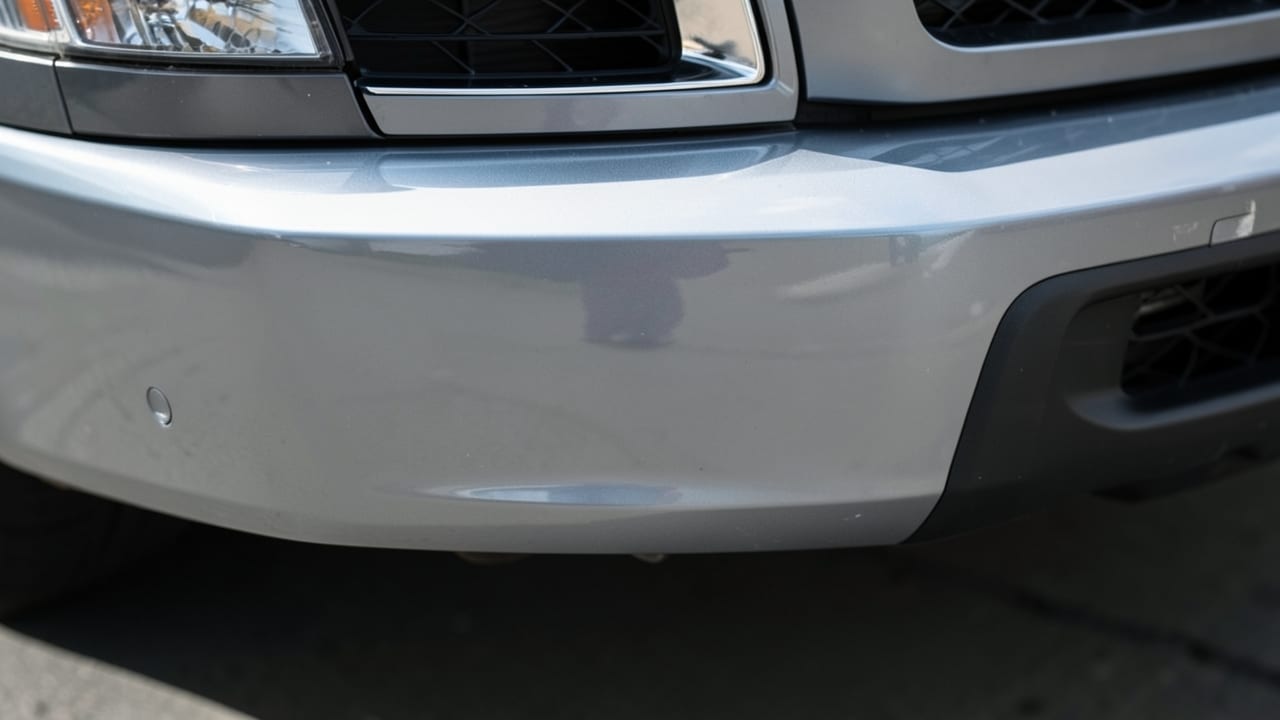
Bug Splatter Removal in Richmond, VA
Professional removal of insect residue from vehicle paint without damaging the ceramic coating or finish.
Learn More
Oxidation Removal in Richmond, VA
Professional removal of oxidation from vehicle paint to restore clarity and prepare surfaces for ceramic coating.
Learn More
Spring Paint Rejuvenation in Richmond, VA
Ceramic coating and paint correction to restore and protect vehicle surfaces.
Learn More
Mid-Summer UV Protection Top-Up in Richmond, VA
Ceramic coating reapplication to restore UV protection and gloss on vehicle paint.
Learn More
Fall Paint Prep for Winter in Richmond, VA
Ceramic coating and paint protection applied to homes before winter to prevent damage.
Learn MoreCommon Questions About Ceramic Coating in Richmond
Everything you need to know about ceramic coating services in Richmond
How much does Headlight Restoration & Coating typically cost in Richmond, VA?
What local driving and climate factors matter most when choosing a coating tier in Richmond, VA?
Is ceramic coating ever covered by comprehensive auto insurance?
Can ceramic coating be applied over a vinyl wrap or matte paint?
What does proper paint prep before a ceramic coating actually involve?
How should a coated vehicle be washed after the coating is applied?
Need Ceramic Coating in Richmond?
Get a written quote from our Richmond crew.
⏰ We answer your call • Serving all of Richmond and surrounding areas