The Truth About Ceramic Coating Longevity in Richmond’s Climate in Ceramic Coating Richmond, VA
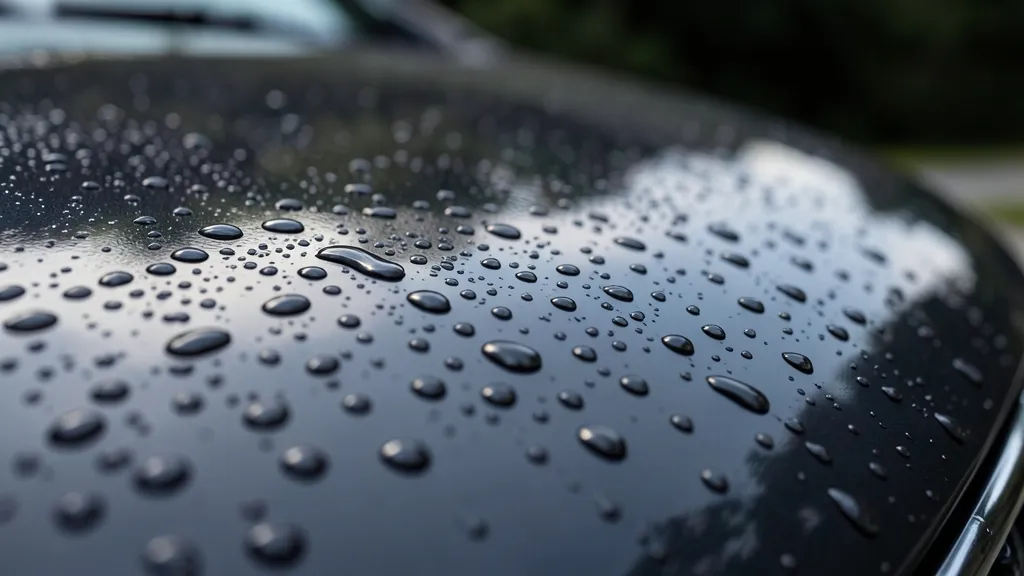
Richmond’s climate throws everything at your car—scorching summers, humid springs, and salt-laden winters. Ceramic coatings can handle it, but longevity depends on prep, product quality, and how you maintain it. We break down what local drivers need to know to maximize protection and shine.
Why Richmond’s Climate Tests Ceramic Coatings
Our region’s high humidity accelerates water spotting and can weaken improperly applied coatings over time. UV exposure is relentless, especially in summer, breaking down clear coats and fading paint if unprotected.
Pollen in spring and road salt in winter are abrasive. They cling to surfaces and, if not removed promptly, can etch into unprotected paint—even through a weak or poorly maintained ceramic layer.
Temperature swings from freezing mornings to 90°F afternoons cause expansion and contraction. This stresses the coating’s bond with the paint, demanding a flexible, high-quality formula.
What Determines Ceramic Coating Longevity
The base product matters most. Professional-grade coatings use 9H+ hardness silica (SiO2) or quartz-based resins, which resist UV, chemicals, and minor scratches far better than consumer sprays.
Prep is non-negotiable. Paint correction removes swirls, oxidation, and contaminants so the coating bonds directly to the clear coat. Skip this, and the coating fails prematurely.
Application technique affects thickness and uniformity. Multiple thin layers cure harder and last longer than one thick, uneven pass. Our team uses controlled environments to avoid dust or moisture interference.
| Factor | Impact on Longevity | Local Consideration |
|---|---|---|
| Product Quality | Higher SiO2 concentration = longer durability | Professional-grade (5+ years) vs. DIY (1-2 years) |
| Paint Correction | Proper prep extends life by 30-50% | Richmond’s pollen/salt demand thorough decontamination |
| Layer Thickness | 2+ layers add 2-3 years vs. single layer | Humidity requires precise curing between layers |
| Maintenance | Regular washing prevents premature degradation | pH-neutral shampoo critical in hard water areas |
How Long Ceramic Coatings Last in Richmond
Entry-level coatings (1-2 years) may suffice for daily drivers in Chesterfield or Henrico, but they struggle with our UV intensity and salt exposure. Expect visible degradation after 18 months without meticulous care.
Mid-tier professional coatings (3-5 years) handle Richmond’s climate well if maintained. These use denser silica matrices and better hydrophobic properties to shed water, pollen, and grime.
Premium coatings (5-7+ years) are overkill for most, but ideal for collectors or fleet vehicles in Mechanicsville or Glen Allen. They resist staining from tree sap and industrial fallout common near I-95 corridors.
Even high-quality coatings need reapplication or a maintenance spray every 1-2 years to combat Richmond’s harsh conditions.
Maintenance Tips to Extend Your Coating’s Life
Wash weekly with a pH-neutral shampoo. Richmond’s hard water leaves mineral deposits that etch coatings over time. Avoid automatic car washes with harsh brushes.
Dry with high-quality microfiber towels to prevent swirls. Our humidity means water spots form fast—dry immediately after washing.
Apply a ceramic-boosting spray every 6-12 months. These top-up the hydrophobic layer without full reapplication, ideal for Midlothian or Glen Allen drivers with tight schedules.
Richmond-Specific Maintenance Routine
- Wash with pH-neutral shampoo weekly
- Use iron-remover spray monthly to combat brake dust
- Reapply hydrophobic spray every 6-12 months
- Park in shade or garage to reduce UV exposure
- Remove bird droppings/sap immediately to prevent etching
Common Mistakes That Shorten Coating Life
Using dish soap or household cleaners strips the coating’s hydrophobic layer. Stick to automotive-specific products, especially in areas like Henrico with high mineral content in water.
Skipping paint correction before application traps contaminants under the coating. This leads to peeling or bubbling within months, not years.
Parking under trees exposes the coating to sap and bird droppings, which are highly acidic. Richmond’s oak and pine trees are notorious for this.
Brushes and harsh chemicals in tunnel washes degrade ceramic coatings fast. Opt for touchless or hand-wash only.
Ceramic Coatings vs. Other Protection Methods
Wax and sealants last 3-6 months and offer minimal UV protection. They’re no match for Richmond’s climate but work as a temporary top-up between ceramic applications.
Paint Protection Film (PPF) excels at impact resistance but lacks the self-cleaning and UV-blocking properties of ceramic coatings. Many local drivers combine both for ultimate protection.
Ceramic window tint reduces heat and UV inside the cabin, complementing exterior coatings. In Richmond’s summers, this combo cuts interior temperatures by 20-30°F.
Signs Your Ceramic Coating Needs Attention
Water no longer beads or sheets off the surface. This means the hydrophobic layer has worn thin, common after 18-24 months in our climate.
Swirl marks or scratches appear more visible. While coatings resist minor scratches, they don’t prevent them entirely—especially from improper washing.
Stains from water spots or tree sap linger. A healthy coating repels these; if they stick, it’s time for a maintenance spray or reapplication.
How to Check Your Ceramic Coating’s Condition
A quick at-home test can reveal if your coating is still performing.
- 1Water Bead Test
Spray water on the hood. If it beads tightly and slides off, the coating is active. If it sheets or leaves spots, it’s fading.
- 2Finger Swipe Test
After washing, run a clean finger over the paint. A smooth, slick feel means the coating is intact. Roughness suggests contamination or wear.
- 3Dust Accumulation Check
Park in a dusty area for a day. A healthy coating repels dust; if it sticks, the hydrophobic layer is weak.
- 4Visual Inspection
Look for water spots, oxidation, or dullness under direct sunlight. These indicate the coating is no longer protecting effectively.
- 5Professional Evaluation
For certainty, bring your vehicle in. We use specialized tools to measure thickness and hydrophobic performance.
Frequently Asked Questions
How often should I reapply ceramic coating in Richmond?
Professional-grade coatings last 3-5 years here, but we recommend a maintenance spray every 12-18 months to combat humidity and UV. Daily drivers in Chesterfield or Mechanicsville may need it sooner due to higher exposure.
Can ceramic coating prevent rust in Richmond’s winters?
It significantly slows rust by repelling moisture and salt, but it’s not a full rustproofing solution. For maximum protection, pair it with Paint Protection Film on high-impact areas like the lower panels and wheel wells.
Does ceramic coating work on older cars in Ceramic Coating Richmond?
Yes, but only after thorough paint correction. Older cars often have oxidation, swirls, or clear coat failure that must be addressed first. We’ve restored many vehicles in Glen Allen and Midlothian with this process.
What’s the difference between ceramic coating and Paint Protection Film?
Ceramic coatings are liquid-applied and bond with the paint to provide UV protection, hydrophobicity, and chemical resistance. PPF is a physical urethane film that protects against chips, scratches, and impacts. Many local drivers use both for layered defense.
How do I remove hard water spots from my ceramic coating?
Use a dedicated water spot remover or a 50/50 mix of white vinegar and distilled water. Apply with a microfiber cloth, then rinse thoroughly. Avoid abrasive compounds, which can damage the coating.
Is ceramic coating worth it for Richmond’s climate?
Absolutely. The UV, humidity, and salt here accelerate paint damage. A quality coating pays for itself by reducing wash time, preventing oxidation, and maintaining resale value. Request a quote to see options tailored to your vehicle and driving habits.