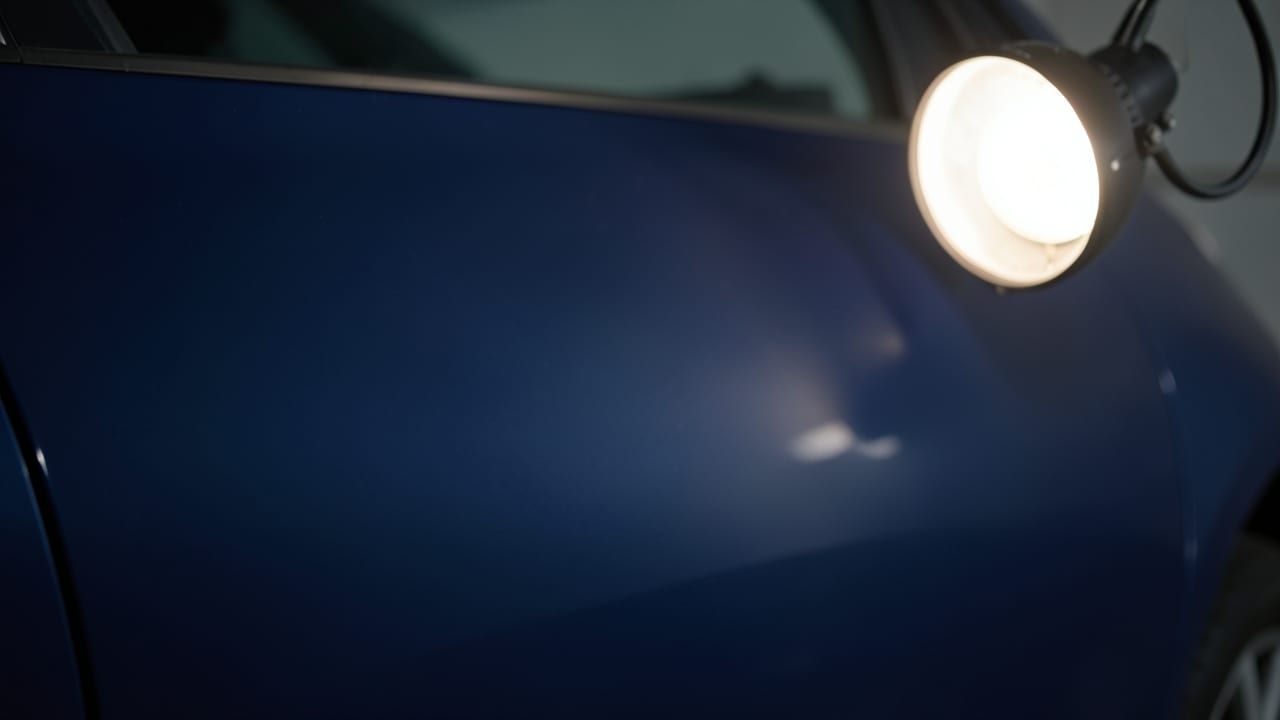
Clay Bar Paint Decontamination
Clay bar paint decontamination in Richmond, VA removes bonded surface contaminants a wash alone can't touch, before coating or correction.
Clay bar paint decontamination in Richmond, VA removes embedded contaminants like rail dust, industrial fallout, and overspray from your vehicle’s clear coat, restoring a glass-smooth finish.
Why Richmond Vehicles Need Decontamination
Richmond’s urban and industrial environment exposes vehicles to rail dust, tree sap, and overspray—contaminants that embed into the clear coat. A standard wash can’t remove these, leaving your paint rough to the touch even after cleaning.
We also handle Headlight Restoration & Coating and Fleet & Commercial Vehicle Coating for Richmond vehicles.
These particles create tiny imperfections that dull your finish and interfere with paint correction or ceramic coatings.
Signs Your Vehicle Needs Clay Bar Decontamination
- Paint feels rough or gritty after a wash, even when clean
- Visible specks or dots under direct sunlight (embedded fallout)
- Swirl marks appear after buffing, caused by trapped contaminants
- Water beads unevenly due to surface contamination
The Foundation for Ceramic Coatings & Correction
Clay bar decontamination isn’t a standalone cosmetic service—it’s a critical prep step. Without it, ceramic coatings won’t bond properly, and buffing pads can drag embedded grit, causing new swirl marks.
This process is always performed before paint correction or coating application. For Richmond vehicles, it’s often bundled into correction or coating packages, though it’s available standalone for those who just need contamination removed.
| Factor | Impact on Service |
|---|---|
| Vehicle size | Larger vehicles take longer and cost more |
| Contamination level | Heavy fallout or overspray increases time and effort |
| Paint condition | Severe swirls or oxidation may require additional correction |
| Bundling | Often included in correction or coating packages at a discount |
How Clay Bar Paint Decontamination Works
This process removes contaminants to restore a smooth, clean surface.
- 1Pre-Wash
The vehicle is thoroughly washed to remove loose dirt and grime, ensuring the clay bar only targets embedded contaminants.
- 2Lubrication
A clay lubricant or detailing spray is applied to the paint to prevent the clay from dragging and causing marring.
- 3Clay Bar Application
A clay bar or clay-infused mitt is gently glided over the lubricated surface, lifting contaminants out of the clear coat.
- 4Final Rinse & Inspection
The surface is rinsed and inspected to confirm all contaminants have been removed, leaving a glass-smooth finish.
Frequently Asked Questions
Can I do clay bar decontamination myself at home?
Yes, but it requires the right tools, lubricant, and technique to avoid marring the paint. For best results, especially before a ceramic coating, professional service is recommended.
How often should I get clay bar decontamination in Richmond?
Every 6–12 months, depending on exposure to contaminants like rail dust or industrial fallout. More frequent if you notice roughness or embedded particles.
Will clay bar decontamination remove scratches or swirl marks?
It only removes contaminants. Swirl marks or scratches require paint correction, which should always be done after decontamination.
Do I need this before applying a ceramic coating?
Absolutely. Ceramic coatings bond to the paint surface, so any trapped contaminants will prevent proper adhesion and reduce the coating’s effectiveness and longevity.
See Colonial Heights, VA for more, or discover our full crew's Richmond services on a single page for our complete lineup.
Ready to get started?
Talk to a local ceramic coating pro in Richmond — get a written quote.
Other Ceramic Coating Services in Richmond
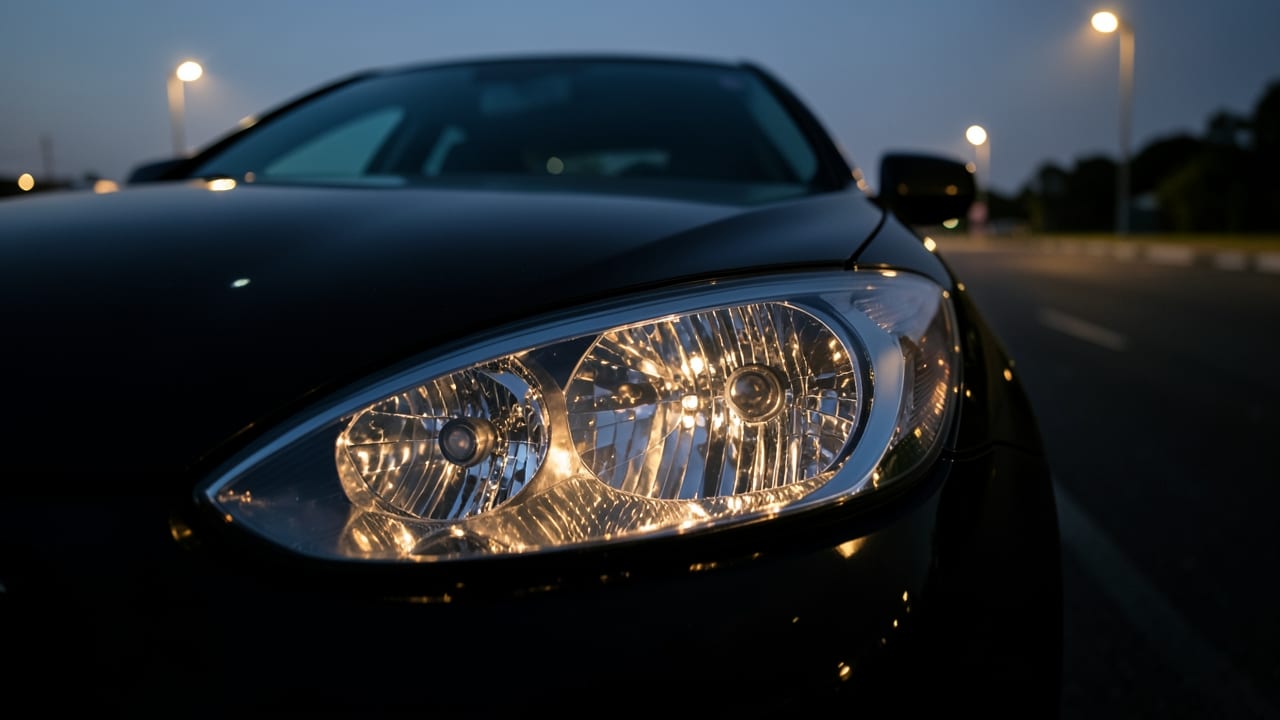
Headlight Restoration & Coating in Richmond, VA
Headlight restoration and UV-protective coating in Richmond, VA — restores clarity and nighttime visibility without replacing the assembly.
Learn More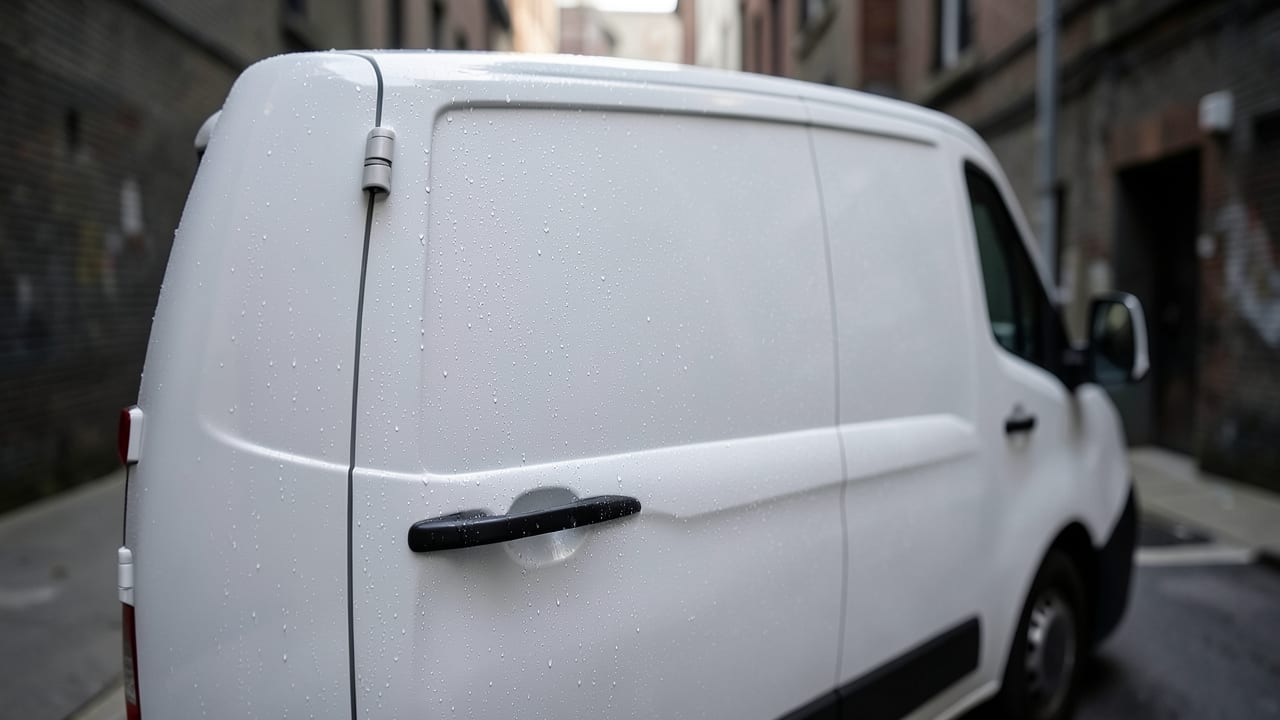
Fleet & Commercial Vehicle Coating in Richmond, VA
Ceramic coating programs for fleets and commercial vehicles in Richmond, VA — faster washing, longer-lasting branded wraps, and protected resale value.
Learn More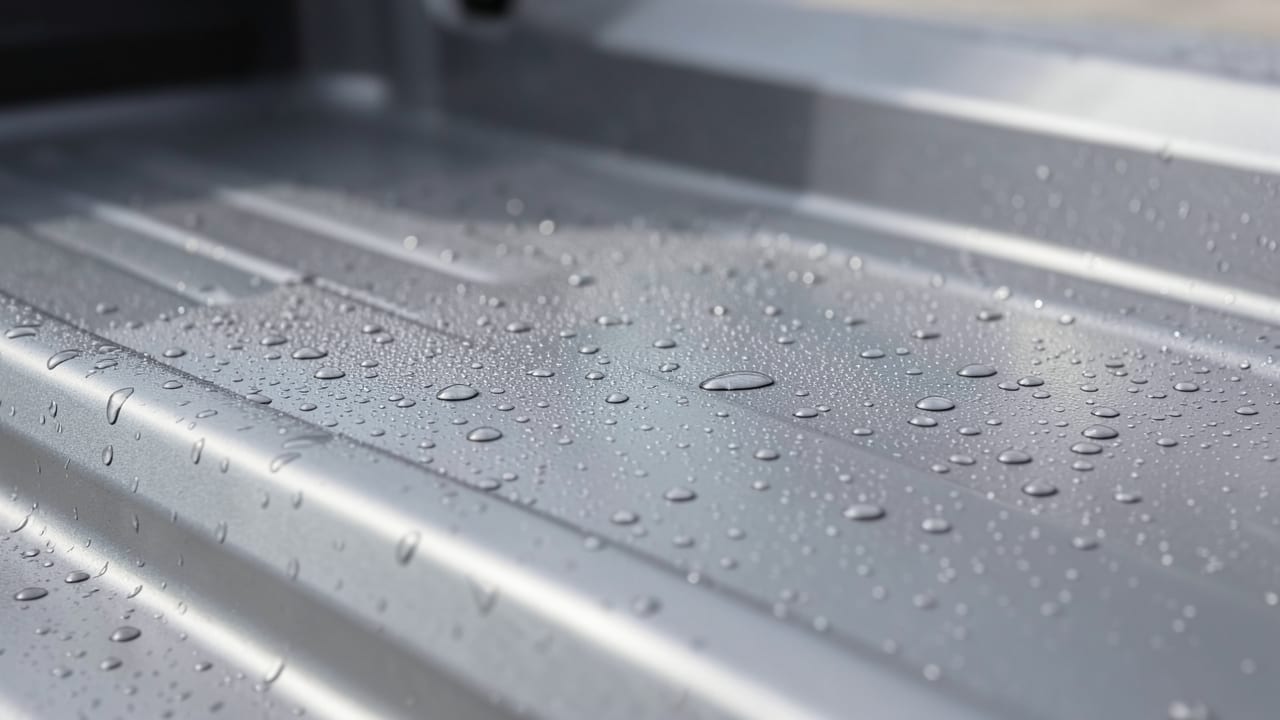
Graphene Coating in Richmond, VA
Graphene coating in Richmond, VA — a premium ceramic alternative with better heat rejection and hydrophobic durability.
Learn More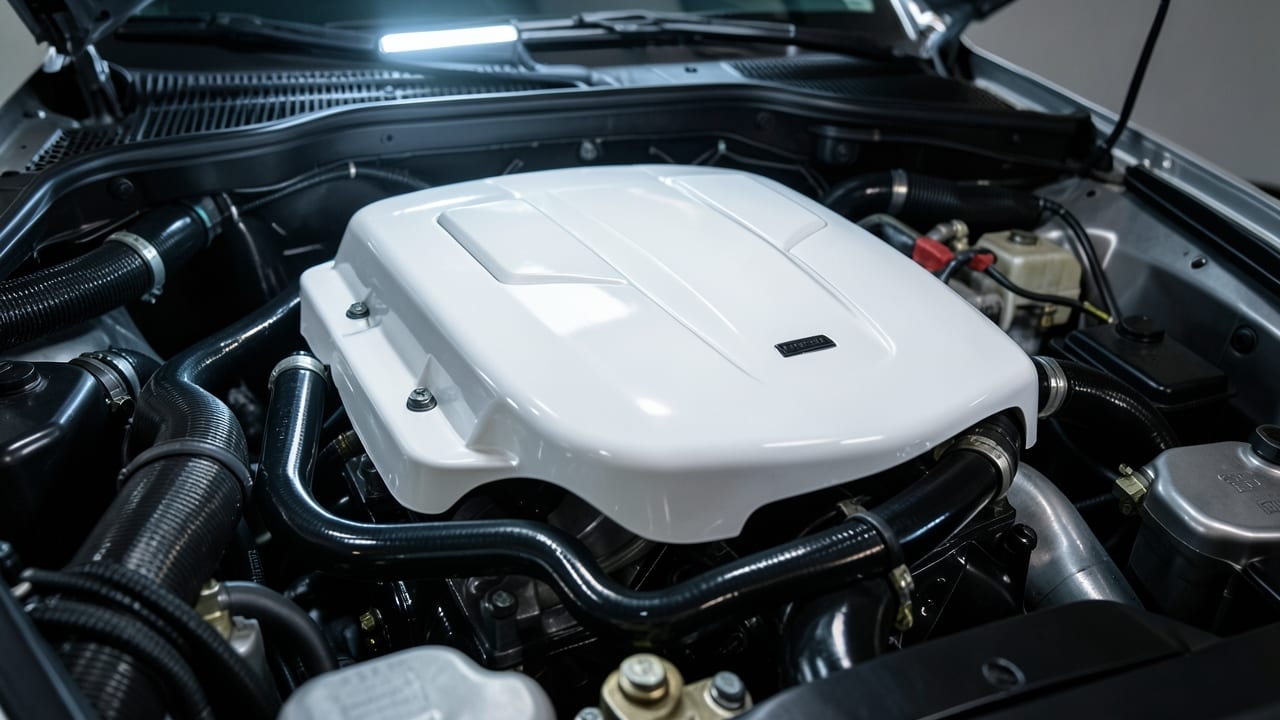
Engine Bay Detailing in Richmond, VA
Engine bay detailing in Richmond, VA — safe degreasing and dressing of the engine compartment without risking electrical components.
Learn More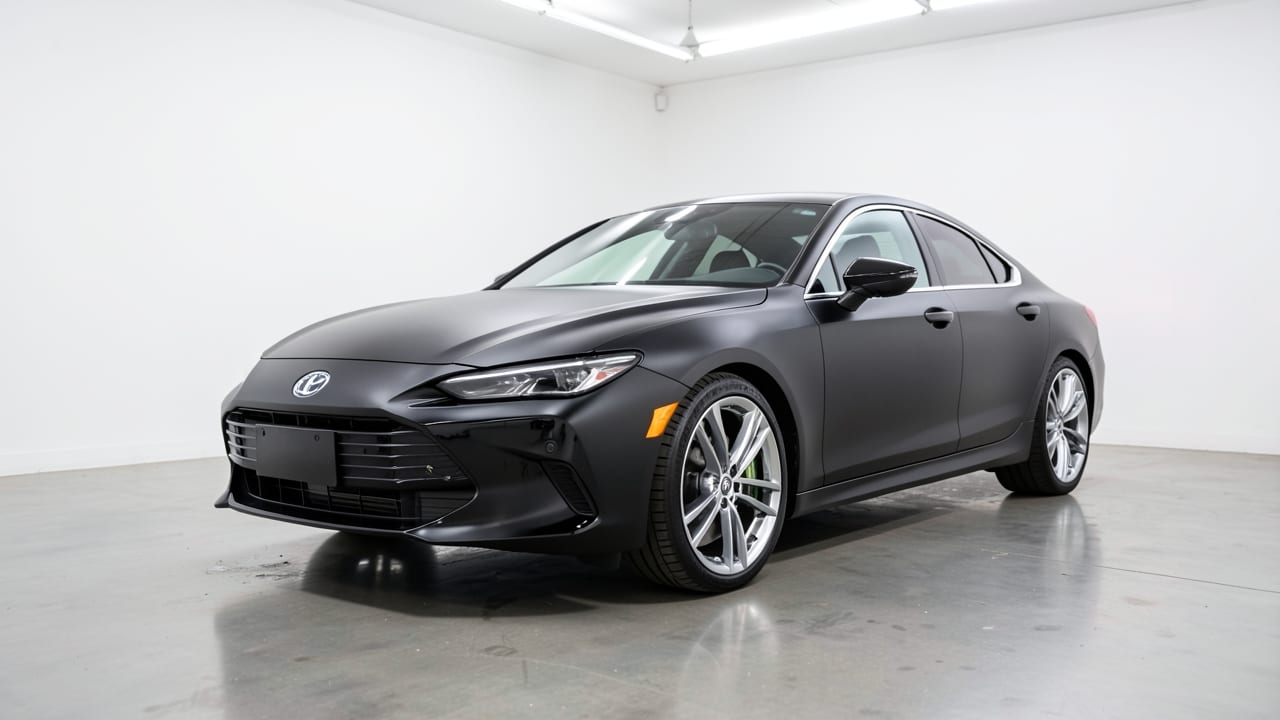
Chrome Delete Pack in Richmond, VA
Ceramic coating application for paint protection and enhanced vehicle appearance.
Learn More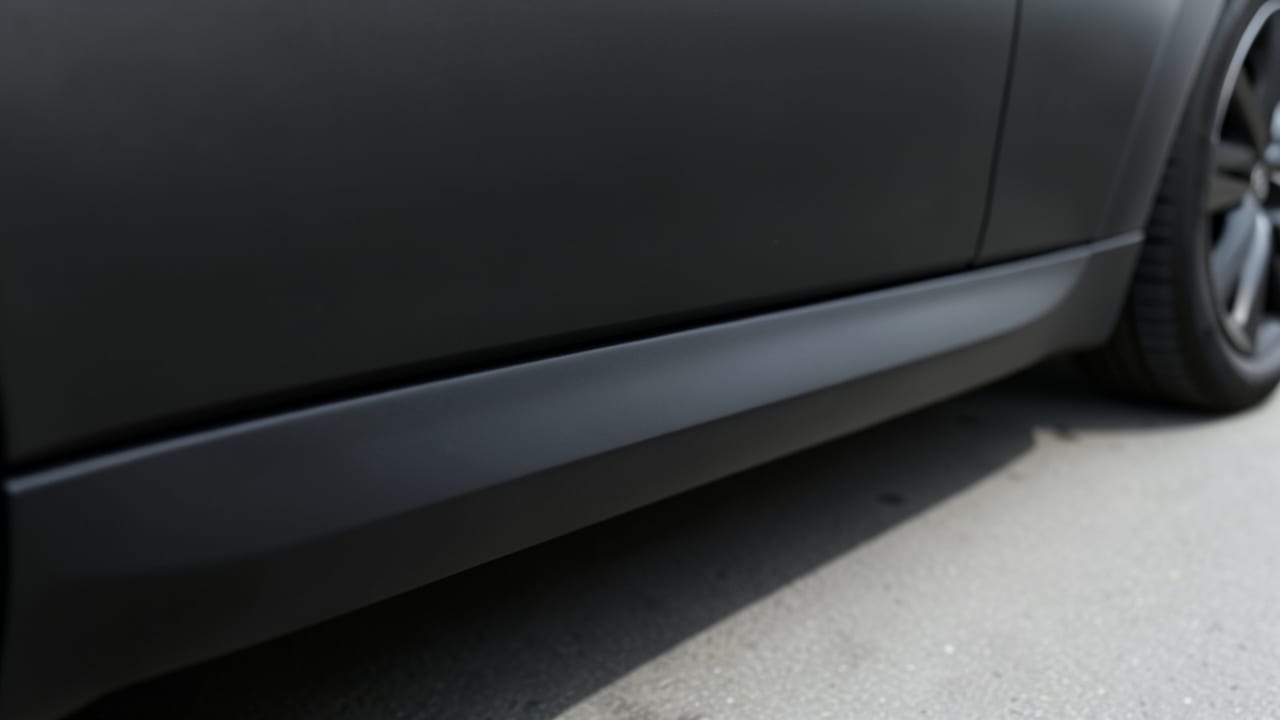
Plastic Trim Restoration in Richmond, VA
Restoring faded or discolored plastic trim with ceramic coatings or protective treatments.
Learn MoreCommon Questions About Ceramic Coating in Richmond
Everything you need to know about ceramic coating services in Richmond
How much does Clay Bar Paint Decontamination typically cost in Richmond, VA?
What local driving and climate factors matter most when choosing a coating tier in Richmond, VA?
Will a ceramic coating stop rock chips or scratches?
What's the actual difference between wax, paint sealant, and ceramic coating?
Can ceramic coating be applied at home instead of by a detailing shop?
How long does a ceramic coating actually last in real-world use?
Need Ceramic Coating in Richmond?
Get a written quote from our Richmond crew.
⏰ We answer your call • Serving all of Richmond and surrounding areas