Ceramic Coating Maintenance Tips to Prolong Protection in Richmond, VA
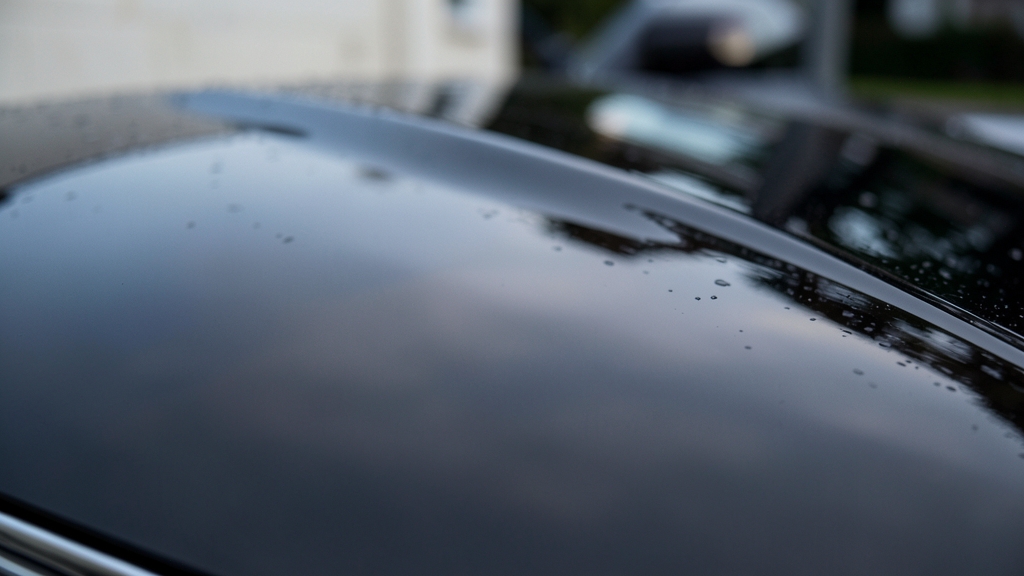
Ceramic coatings deliver unmatched gloss and protection, but they’re not maintenance-free. In Richmond’s humid, pollen-heavy climate, proper care keeps your coating performing like new for years. We’ll show you how to preserve that showroom shine and defensive barrier without damaging the finish.
Why Maintenance Matters for Ceramic Coated Vehicles
Ceramic coatings bond with your paint at a molecular level, creating a hydrophobic shield against UV rays, bird droppings, and road grime. But coatings degrade faster without the right upkeep.
Richmond’s seasonal shifts—from icy winters to sweltering summers—accelerate wear. Pollen, tree sap, and road salt cling to surfaces, compromising the coating’s self-cleaning properties over time.
The Do’s and Don’ts of Washing a Ceramic Coated Car
Always use a pH-neutral car shampoo. Harsh detergents strip the coating’s hydrophobic layer, reducing its lifespan. Avoid automatic car washes with abrasive brushes—they create micro-scratches.
Wash in the shade to prevent water spots. Use the two-bucket method: one for soap, one for rinsing your mitt. This minimizes swirl marks and contamination transfer.
Never use dish soap, degreasers, or wax on a ceramic coating. These break down the protective layer and leave residue that dulls the finish.
Decontamination: The Key to Longevity
Even with a coating, embedded contaminants like iron particles and tar require deep cleaning. Use a clay bar or iron-removing spray every 3–6 months to maintain smoothness and hydrophobicity.
For stubborn spots, a dedicated ceramic coating safe detailer spray restores gloss without harming the finish. Always follow with a maintenance wash.
Ceramic Coating vs. Wax vs. Sealant: Maintenance Differences
Unlike wax or sealants, ceramic coatings don’t need reapplication every few months. However, they do require specific care to maintain their performance.
| Product | Durability | Maintenance Frequency | Hydrophobic Level |
|---|---|---|---|
| Ceramic Coating | 2–5+ years | Every 3–6 months (decontamination) | Extreme |
| Synthetic Sealant | 6–12 months | Every 3–4 months | High |
| Carnauba Wax | 1–3 months | Every 1–2 months | Moderate |
Seasonal Challenges in Richmond and How to Adapt
Spring brings pollen bombs that stick like glue. Rinse your vehicle weekly with the pressure washer’s foam cannon to prevent yellow staining. A quick detailer spray helps between washes.
Winter’s road salt and grime demand immediate attention. Wash your undercarriage and wheels to prevent corrosion. Consider a ceramic coating for wheels and brake calipers to simplify cleanup.
Apply a ceramic boosting spray after washing to enhance hydrophobicity and make pollen rinse off more easily.
Tools and Products Safe for Ceramic Coatings
Invest in high-quality microfiber towels and wash mitts to avoid scratches. Use a grit guard in your buckets to trap dirt particles. For drying, a plush microfiber or air blower prevents water spots.
Avoid cheap sponges or paper towels—they leave marring. Opt for pH-balanced wheel cleaners and iron removers labeled safe for ceramic coatings.
Essential Ceramic Coating Maintenance Kit
- pH-neutral car shampoo
- Microfiber wash mitts and towels
- Grit guards for buckets
- Clay bar or clay mitt
- Iron-removing spray
- Ceramic coating safe quick detailer
- Pressure washer with foam cannon (optional but recommended)
When to Seek Professional Help
If your coating loses its hydrophobic beading or shows visible swirls, it may need professional rejuvenation. Paint correction and polishing can restore clarity before reapplying a ceramic coating.
For vehicles in Henrico, Chesterfield, or Mechanicsville, our team offers maintenance washes and inspections to catch issues early. Fleet and commercial vehicles often need more frequent attention due to higher mileage.
Richmond’s high humidity can cause water spots to etch into paint if left too long. Address them within 48 hours to prevent permanent damage.
Extending Your Coating’s Life with Additional Protections
Pair your ceramic coating with paint protection film (PPF) on high-impact areas like the front bumper and hood. PPF absorbs rock chips and scratches, while the coating maintains gloss and ease of cleaning.
Ceramic window tint and interior ceramic protection add value by shielding against UV damage and simplifying upkeep. Headlight restoration and coating prevent yellowing and improve nighttime visibility.
How to Perform a Maintenance Wash for Ceramic Coated Vehicles
Follow these steps to clean your vehicle without compromising the coating’s integrity.
- 1Pre-Rinse
Use a pressure washer or hose to remove loose dirt. Start from the top and work downward to avoid re-soiling clean areas.
- 2Foam Cannon Application
Apply a pH-neutral foam cannon solution to loosen contaminants. Let it dwell for 2–3 minutes but don’t allow it to dry.
- 3Two-Bucket Wash
Wash one panel at a time using a microfiber mitt. Rinse the mitt in the clean water bucket after each pass to avoid cross-contamination.
- 4Decontamination
Use a clay bar or iron remover on trouble spots like wheels and lower panels. This step is critical every 3–6 months.
- 5Rinse and Dry
Rinse thoroughly with the pressure washer, then dry with a plush microfiber towel or air blower to prevent water spots.
- 6Final Touch
Apply a ceramic coating safe quick detailer or spray sealant to enhance hydrophobicity and gloss.
Frequently Asked Questions
How often should I wash my ceramic coated car in Richmond, VA?
Wash your vehicle every 1–2 weeks to prevent contamination buildup, especially during pollen season or after road salt exposure. More frequent rinses help maintain the coating’s self-cleaning properties.
Can I use a pressure washer on a ceramic coated car?
Yes, but use a 40-degree nozzle or wider and keep the pressure below 2,000 PSI. Avoid direct blasts at seams or trim to prevent damage. A foam cannon attachment is ideal for safe pre-washing.
What’s a way to remove water spots from a ceramic coating?
For fresh water spots, a quick detailer spray and microfiber towel often suffice. For etched spots, use a light polishing compound safe for ceramic coatings. In Richmond’s hard water areas, act quickly to prevent mineral deposits.
Does ceramic coating eliminate the need for wax or sealants?
Yes, ceramic coatings provide longer-lasting protection than wax or sealants, so you don’t need to reapply them. However, you can use a ceramic boosting spray to refresh hydrophobicity between washes.
How do I know if my ceramic coating is failing?
Signs include reduced water beading, increased dirt adhesion, or visible swirl marks. If the coating no longer sheets water or feels rough, it may need professional inspection or reapplication.
Is ceramic coating maintenance different for vehicles in Glen Allen or Midlothian?
The principles are the same, but areas with more tree coverage (like Glen Allen) may require more frequent decontamination due to sap and pollen. Urban areas like Midlothian see more road grime, so regular washes are key.