The History of Ceramic Coatings: From Aerospace to Your Garage in Ceramic Coating Richmond
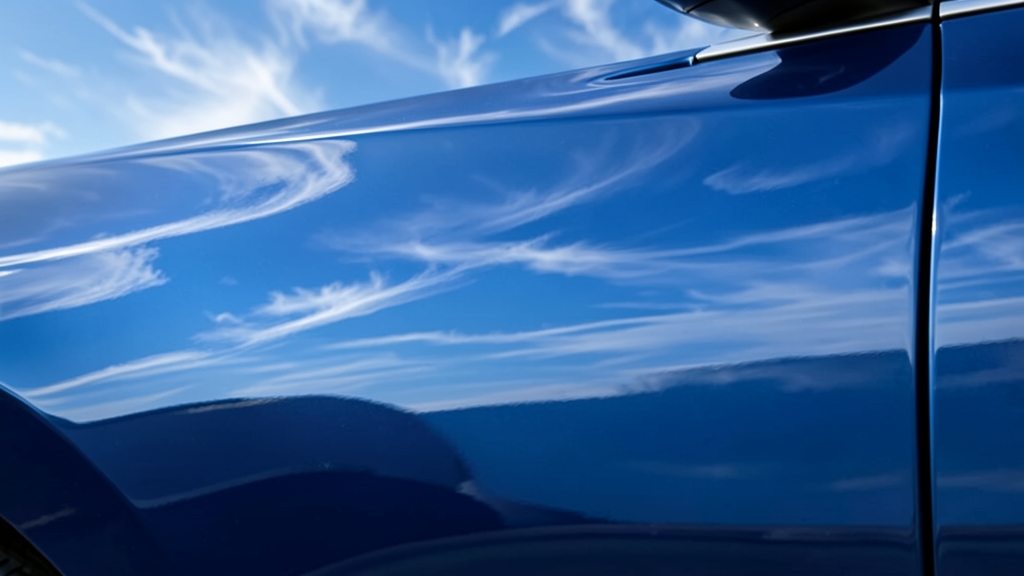
Ceramic coatings didn’t start on cars—they began in the harshest environments imaginable. Today, we harness that same aerospace-grade technology to shield vehicles across Ceramic Coating Richmond from UV rays, road grime, and the region’s unpredictable weather. This is the story of how a high-tech innovation became a garage essential.
Aerospace Origins: Born for Extreme Conditions
The roots of ceramic coatings trace back to the 1950s, when engineers developed heat-resistant, durable layers for spacecraft and aircraft. These early formulas used silica (SiO2) and titanium dioxide (TiO2) to withstand temperatures exceeding 1,000°F.
NASA and aerospace firms relied on these coatings to protect surfaces from oxidation, corrosion, and extreme thermal cycling—problems not unlike what vehicles face on Richmond’s salty winter roads or under the summer sun.
The Jump to Automotive: From Rockets to Roadsters
By the 1990s, chemists adapted nano-ceramic technology for automotive use. The breakthrough? Creating a liquid polymer that chemically bonds with factory clear coat, forming a semi-permanent, glass-like layer.
Early adopters in Japan and Germany proved these coatings could outlast traditional waxes and sealants by years, not months. The shift was revolutionary for enthusiasts and detailers in areas like Henrico and Chesterfield, where long-term protection is a priority.
Nano-particles fill microscopic imperfections in paint, creating a smoother, more reflective surface. This is why our Paint Correction & Polishing service pairs perfectly with ceramic coatings.
The Science Behind the Shine: How Ceramic Coatings Work
At the molecular level, ceramic coatings use silane or silicon dioxide to form a covalent bond with your vehicle’s paint. This isn’t a superficial layer—it’s a fusion that resists water, chemicals, and UV damage.
The result? A hydrophobic surface where water beads up and rolls off, carrying dirt and contaminants with it. In Richmond’s humid summers, this means less water spotting and easier cleaning.
Generations of Ceramic Coatings: From Basic to Pro-Grade
First-gen coatings (2000s) offered modest durability—6 to 12 months—with limited gloss enhancement. Today’s pro-grade formulas, like those we use in Ceramic Coating Richmond, last 2 to 5 years and deliver 9H hardness, self-cleaning properties, and deep, mirror-like clarity.
The evolution also introduced specialized variants: ceramic window tints for heat rejection, wheel coatings to brake dust resistance, and even interior ceramic protection for dashboards and leather.
| Generation | Durability | Hardness | Key Features |
|---|---|---|---|
| 1st Gen (2000s) | 6–12 months | 3H–5H | Basic hydrophobic, minimal gloss |
| 2nd Gen (2010s) | 1–2 years | 6H–8H | Improved UV resistance, better beading |
| 3rd Gen (2015–Present) | 2–5+ years | 9H | Self-cleaning, chemical resistance, high-gloss finish |
| Pro-Grade (Current) | 5–7+ years | 9H+ | Multi-layered, extreme durability, heat resistance |
Why Richmond Drivers Need Ceramic Coatings
Our region’s climate is a perfect storm for paint damage. Intense UV exposure fades color, while pollen, tree sap, and road salt (especially in Mechanicsville and Glen Allen) etch into clear coats over time.
Ceramic coatings act as a sacrificial layer, absorbing these abuses so your factory paint stays pristine. They also reduce the need for frequent washes—a bonus during Midlothian’s muddy seasons.
Ceramic coatings resist scratches and swirls but won’t stop rock chips. For full protection, pair with Paint Protection Film (PPF) on high-impact areas like hoods and bumpers.
The Role of Paint Correction Before Coating
A ceramic coating locks in your paint’s current condition—flaws and all. That’s why we always start with Paint Correction & Polishing to remove swirl marks, oxidation, and water spots.
This step is critical in older vehicles or those exposed to Richmond’s harsh elements. Skipping it means sealing in imperfections, which defeats the purpose of a high-gloss, long-lasting finish.
Ceramic Coatings vs. Traditional Protectants
Waxes and sealants sit on the surface, lasting weeks to months. Ceramic coatings bond chemically, offering years of protection with far superior resistance to heat, chemicals, and UV rays.
Unlike wax, which requires reapplication every few months, a professional ceramic coating in Ceramic Coating Richmond only needs maintenance washes and occasional top-ups to stay effective.
The Future: Smart Coatings and Beyond
Researchers are now developing ‘smart’ ceramic coatings with self-healing properties, using microcapsules that release repair agents when scratched. Others are embedding anti-microbial agents to keep interiors fresher.
For now, today’s coatings already offer unmatched protection. As technology advances, we’ll continue bringing the latest innovations to drivers in Ceramic Coating Richmond, Henrico, Chesterfield, and beyond.
Even ceramic coatings need care. Use pH-neutral shampoos and avoid automated car washes with harsh brushes to maximize longevity.
How to Choose the Right Ceramic Coating for Your Vehicle
Not all coatings are created equal—here’s how to pick the right one for your needs.
- 1Assess Your Goals
Decide if you prioritize longevity, gloss, or ease of maintenance. Pro-grade coatings last longer but require professional application.
- 2Evaluate Your Vehicle’s Condition
Older or heavily oxidized paint may need Paint Correction & Polishing before coating. Newer vehicles can often skip this step.
- 3Consider Your Driving Environment
Frequent highway driving or parking under trees in Glen Allen? Opt for a coating with strong chemical and UV resistance.
- 4Budget for Longevity
Higher-end coatings cost more upfront but save money long-term by reducing the need for reapplication and detailing.
- 5Consult a Professional
Our team can recommend the ideal formula based on your vehicle, lifestyle, and the specific demands of Ceramic Coating Richmond’s climate.
Frequently Asked Questions
How long does a ceramic coating last in Richmond’s climate?
With proper maintenance, a professional-grade ceramic coating typically lasts 2 to 5 years in our area. Harsh winters and summer UV can shorten this slightly, but regular washing and occasional top-ups help extend its life. Request a quote to discuss options tailored to your vehicle.
Can I apply a ceramic coating myself?
DIY kits exist, but professional application ensures even coverage, proper bonding, and optimal durability. Mistakes like improper prep or uneven layers can lead to peeling or reduced effectiveness. For best results, especially on high-value vehicles, trust our experienced team.
Will a ceramic coating prevent all scratches and chips?
Ceramic coatings resist light scratches and swirl marks but won’t stop rock chips or deep scratches. For full protection, we recommend pairing a coating with Paint Protection Film (PPF) on vulnerable areas like the front bumper and hood.
Do ceramic coatings work on matte or satin paint?
Yes, but the formula must be specifically designed for non-glossy finishes. Standard ceramic coatings can alter the appearance of matte or satin paint, so it’s critical to use the right product. Our team has experience with all paint types, including those on vehicles in Mechanicsville and Midlothian.
How do I maintain my ceramic coating?
Wash your vehicle regularly with a pH-neutral car shampoo and use a microfiber towel to dry. Avoid automated car washes with abrasive brushes. Every 6 to 12 months, a ceramic booster spray can help refresh the hydrophobic properties. For interior ceramic protection, clean with mild, non-abrasive products.
Is ceramic coating worth it for older cars?
Absolutely, but it’s often paired with Paint Correction & Polishing to restore the paint’s clarity before sealing it. For older vehicles in Chesterfield or Glen Allen, this combo can make the car look years newer while adding long-term protection.