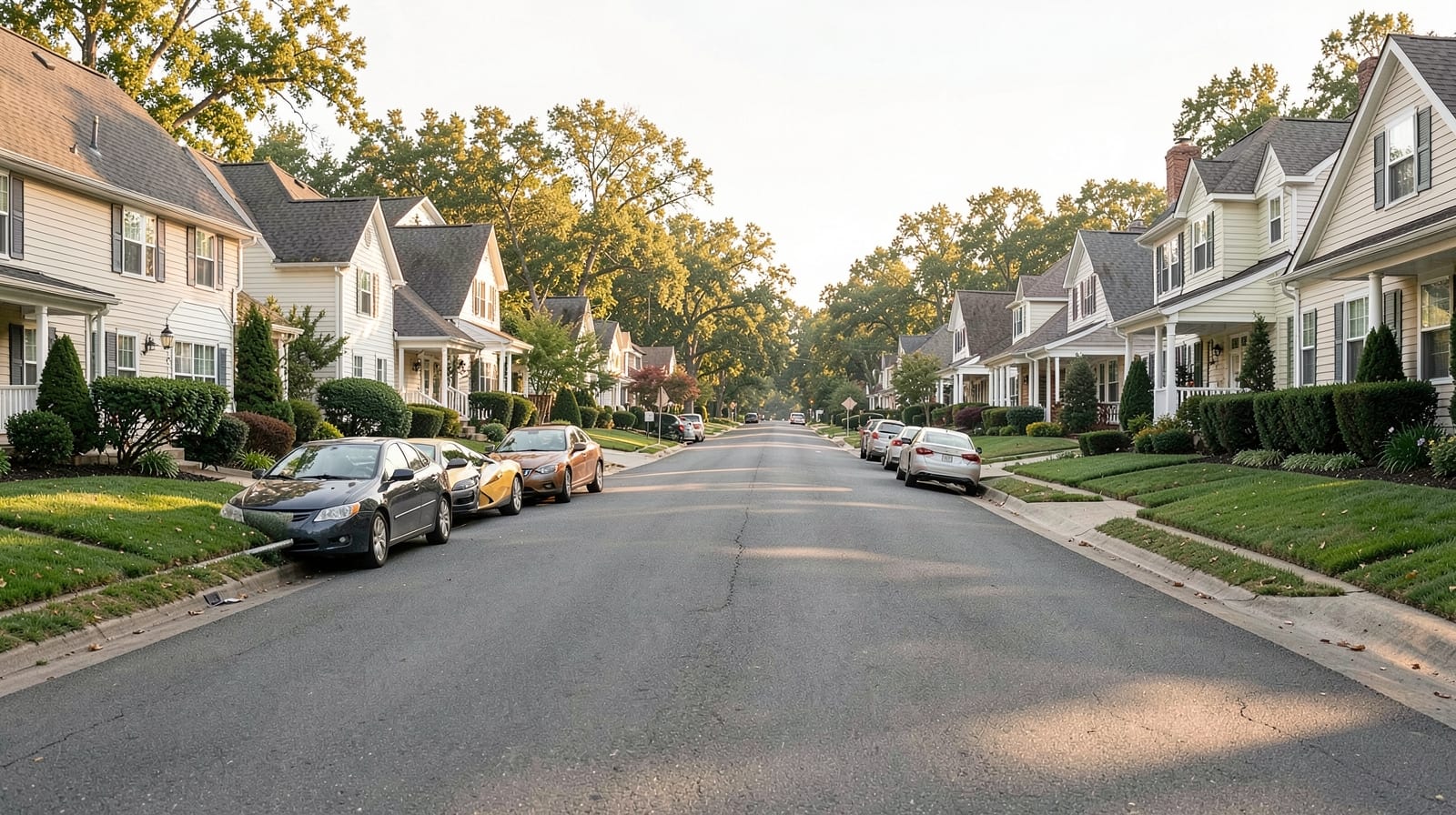
Ceramic Coating in Ashland, VA
ceramic coating for Ashland, VA vehicles — Ashland is the only incorporated town in Hanover County, a historic railroad and college town 16 miles north of Richmond along I-95 (2020 census population: 7,565).
Ceramic coating in Ashland, VA is available on the same terms as Richmond, from the providers already working across the area. Ashland is the only incorporated town in Hanover County, a historic railroad and college town 16 miles north of Richmond along I-95 (2020 census population: 7,565).
Why ceramic coating comes up in Ashland
Ceramic coating issues in Ashland often stem from the region's humid summers and light winter road salt use, which can compromise the coating's durability. The town's historic building stock and proximity to I-95 also mean vehicle owners frequently drive on roads where salt and debris accumulate, accelerating wear. Additionally, the four-season climate exposes vehicles to temperature fluctuations that can cause the coating to expand and contract, leading to premature cracking or peeling. Crews in the area typically address these problems by ensuring proper surface preparation and using high-quality products designed to withstand these local conditions.
We also handle Highland Springs, VA and Sandston, VA for Richmond vehicles.
What the work involves, step by step
Foam pre-wash and wheel cleaning. The vehicle gets a foam pre-wash and a separate wheel-and-tire cleaning pass first, using different wash mitts for paint and wheels, since brake dust and road grime carried from the wheels onto the paint surface is a common source of fine scratching in the steps that follow.
Chemical decontamination. An iron remover strips embedded brake-dust particles out of the clear coat, and a tar or bug remover lifts road tar and insect residue, both applied before any mechanical contact with the paint, since these contaminants sit below what a wash mitt alone can reach.
Clay bar treatment. A clay bar or clay mitt is worked across every panel with a lubricant to pull out the remaining bonded contaminants — overspray, industrial fallout — leaving the paint surface physically smooth to the touch, which is the actual test that decontamination is complete.
Paint inspection and correction. The paint is inspected under raking light for swirl marks and light scratches, and a correction polish is run where needed, because a coating applied over existing swirl marks locks that texture in permanently instead of hiding it.
Panel wipe-down. Every panel gets a final wipe with isopropyl alcohol solution immediately before coating, removing any polish or wax residue left behind, since coating bonds to bare clear coat and any oily residue left on the surface is what causes an uneven, patchy cure.
Coating application and cure. The coating is applied panel by panel in a controlled, dust-free space at a specific humidity and temperature range, then left undisturbed for the cure period the product calls for before the vehicle is exposed to rain or a wash.
How to tell the work is needed in Ashland
Whether a vehicle is due for decontamination and coating shows up in how the paint behaves, not just how it looks parked in the driveway. Water that spreads into a flat sheet instead of beading and rolling off is the clearest sign — it means whatever protection used to be there has worn away and the paint is sitting exposed. Fine swirl marks that only show up under direct sun or a flashlight held at an angle, especially on darker colors, are surface scratches that build up from routine washing and that a coating won't hide unless they're corrected first.
Running clean fingertips lightly across the paint and feeling small bumps rather than a glass-smooth surface means bonded contaminants — brake dust, industrial fallout, tree sap residue — have accumulated on the clear coat. And paint that looks dull or hazy right after a wash, instead of glossy, usually means fine scratching and contamination have built up enough that washing alone no longer restores the shine.
What goes wrong when the work is done badly
Coating over unfinished swirl marks. Skipping paint correction and applying coating directly over existing swirl marks and light scratches does not hide that texture — it seals it in permanently under a hard layer, since ceramic coating is a clear, thin film that follows the surface underneath rather than filling it in.
Bonding failure from residual oils. Any wax, sealant, or polish oil left on the panel from a previous product, or from the correction step itself, prevents the coating from bonding evenly to the clear coat, which shows up later as high spots, streaking, or patches that wear through faster than the rest of the panel.
Curing in the wrong conditions. Applying coating outside the temperature and humidity range the product is rated for can cause it to flash-cure too fast, leaving visible high spots and streaks in the finish that have to be polished back out and reapplied rather than settling on their own.
Water exposure before the cure period ends. Getting the vehicle wet — rain, a wash, even heavy dew — before the coating has fully cured leaves water-spot marks in the surface, since the coating hasn't finished hardening enough yet to resist mineral deposits from standing water.
What keeps the problem from coming back
A coating's long-term performance is set in large part by habits in the first few weeks after it's applied, not just by the ongoing maintenance routine. Adopting the two-bucket wash method and a pH-neutral soap from the very first wash, rather than switching to it later, prevents fine swirl marks and chemical wear that shorten how long the coating keeps performing at its best. Parking in shade or a garage for the first several days, instead of direct sun, gives the coating a more even cure and reduces the odds of the flash-curing and high spots that come from curing too fast in the heat.
Automatic car washes with spinning brushes introduce fine scratching that's more visible on a fresh, glossy coated surface than on older paint, so avoiding them specifically during those first few weeks protects the finish while it's most vulnerable. And rinsing off bird droppings, tree sap, or bug splatter within a day or two of noticing them, rather than waiting for a scheduled wash, protects against the etching those contaminants cause the longer they're left sitting.
What the work costs around Ashland
For ceramic coating in Ashland, pricing typically lands between $800 and $3,510 per vehicle. It is based on a professionally installed ceramic coating, sedan to SUV. Most installers in this category price by tier, based on how many years the coating is rated to last — roughly two years, five years, and seven-plus years are the common tiers, low to high.
These figures come from public market research on this type of job, not a quote or an offer tied to any one provider — the final price for a specific job always depends on its scope and which company takes it on. Source: Fixr / Gloss It Detail Studio / Maryland Clean Rides, 2026.
How to choose who does the work in Ashland
Does the quote include paint correction before the coating is applied, or coating only? Coating applied over unaddressed swirl marks locks those imperfections in rather than fixing them. Is the full prep chain — wash, decontamination, clay bar, iron remover, panel wipe — specified, or just 'prep' as one line? Skipping steps like iron removal or clay bar leaves contaminants under the coating, which shortens how well it holds up. What coating tier is being quoted — SiO2 vs. graphene, single-layer vs. multi-layer — and what protection length does that tier typically carry in the market? Tiers vary widely in durability and price, so it helps to know exactly which one is being quoted. Is a written explanation of proper post-coating maintenance — wash method, curing window, products to avoid — provided? Incorrect washing during the curing period can compromise how well a coating bonds. Does the quote distinguish exterior paint coating from wheel, interior, or window coating packages? These are often priced and sold as separate add-ons even when marketed together. Is it explained clearly that coating does not stop rock chips or deep scratches? Coatings add hardness against light swirling but not impact protection, and that distinction is where overselling most often happens.
A quote listing 'coating' as a single line item with no breakdown of the prep steps. Prep quality — decontamination, clay bar, iron removal — affects how well a coating bonds, and a bid that skips describing it may be skipping the steps too. A tier described only by price, with no protection length or product type specified. Tiers vary widely in durability, and a price with no spec behind it is hard to compare to another bid. A price dramatically lower than every other quote for the same vehicle and tier. An unusually low price can mean a thinner coating, skipped decontamination steps, or a shorter-lasting product sold as a premium one. No explanation of post-coating maintenance or the curing window. Washing a freshly coated vehicle too soon, or with the wrong products, can compromise how the coating bonds. Any claim that the coating will stop rock chips, dents, or deep scratches. Coatings add surface hardness against light swirling, not impact protection, and a shop that blurs that distinction is overselling what the product does.
Services covered in Ashland, VA
Work booked through this page in Ashland covers Ceramic Window Tint, Engine Bay Detailing, Acid Rain Etch Removal, Fall Paint Prep for Winter, Interior Ceramic Protection, Plastic Trim Restoration, Water Spot Removal, Full-Vehicle Ceramic Coating, and 18 other services listed on the services page.
Requesting a quote for ceramic coating in Ashland works exactly as it does for the rest of the service area.
See Ceramic Window Tint for more, or discover everything Richmond vehicle owners can book with us by service type for our complete lineup.
Serving Ashland, VA
Ceramic Coating Services in Ashland, VA
Paint Protection Film (PPF) Installation in Ashland, VA
Paint Protection Film (PPF) Installation for Ashland, VA vehicles — Ashland is the only incorporated town in Hanover County, a historic railroad and college town 16 miles north of Richmond along I-95 (2020 census population: 7,565).
Learn MoreCeramic Window Tint in Ashland, VA
Ceramic Window Tint for Ashland, VA vehicles — Ashland is the only incorporated town in Hanover County, a historic railroad and college town 16 miles north of Richmond along I-95 (2020 census population: 7,565).
Learn More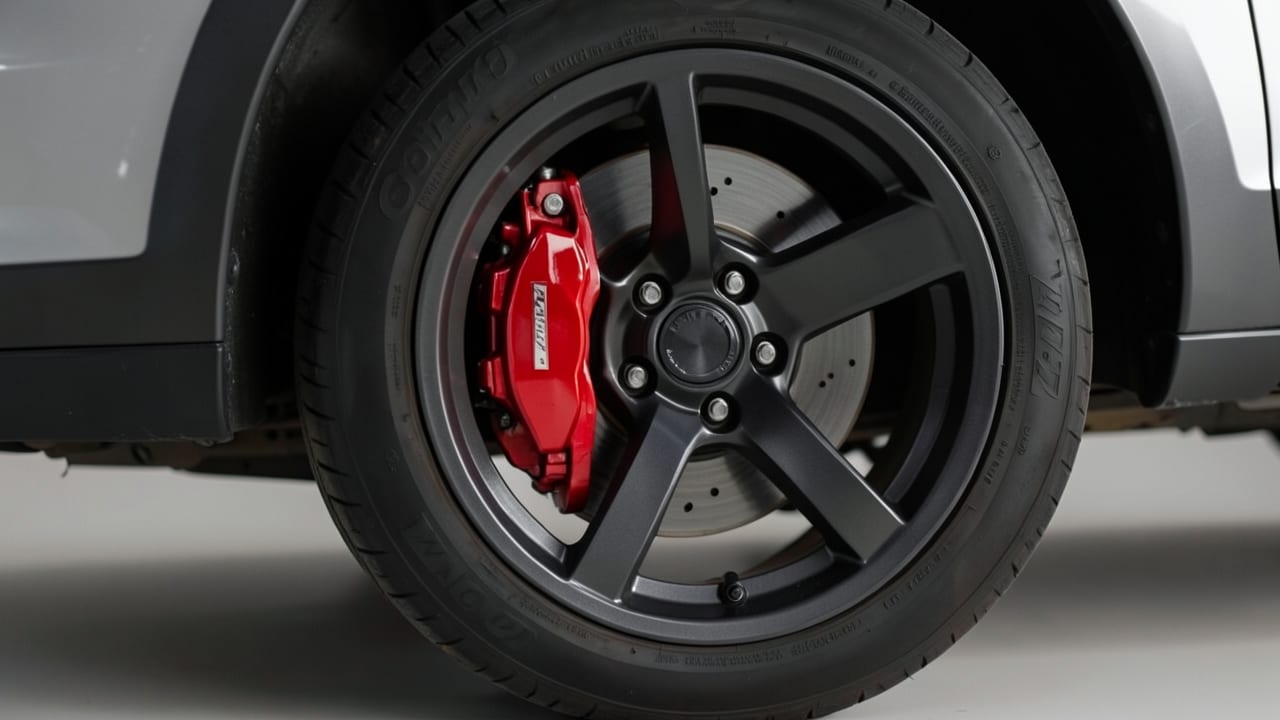
Wheel & Brake Caliper Ceramic Coating in Ashland, VA
Wheel & Brake Caliper Ceramic Coating for Ashland, VA vehicles — Ashland is the only incorporated town in Hanover County, a historic railroad and college town 16 miles north of Richmond along I-95 (2020 census population: 7,565).
Learn MoreInterior Ceramic Protection in Ashland, VA
Interior Ceramic Protection for Ashland, VA vehicles — Ashland is the only incorporated town in Hanover County, a historic railroad and college town 16 miles north of Richmond along I-95 (2020 census population: 7,565).
Learn MoreHeadlight Restoration & Coating in Ashland, VA
Headlight Restoration & Coating for Ashland, VA vehicles — Ashland is the only incorporated town in Hanover County, a historic railroad and college town 16 miles north of Richmond along I-95 (2020 census population: 7,565).
Learn MoreFleet & Commercial Vehicle Coating in Ashland, VA
Fleet & Commercial Vehicle Coating for Ashland, VA vehicles — Ashland is the only incorporated town in Hanover County, a historic railroad and college town 16 miles north of Richmond along I-95 (2020 census population: 7,565).
Learn MoreOther Areas We Cover
Ceramic Coating in Highland Springs, VA
ceramic coating for Highland Springs, VA vehicles — Highland Springs is a dense Henrico County community about 4.3 miles east of Richmond, developed in the 1890s as a streetcar suburb (2020 census population: 16,604).
Learn More
Ceramic Coating in Sandston, VA
ceramic coating for Sandston, VA vehicles — Sandston is a Henrico County community just outside Richmond that is home to Richmond International Airport (2020 census population: 7,779).
Learn More
Ceramic Coating in Bon Air, VA
ceramic coating for Bon Air, VA vehicles — Bon Air is a nearby community roughly 5.3 miles west of Richmond. Bon Air is a census-designated place (CDP) in Chesterfield County, Virginia, United States. The population was 18,022 at the 2020 census..
Learn More
Ceramic Coating in Manchester, VA
ceramic coating for Manchester, VA vehicles — Manchester is a nearby community roughly 4.7 miles southwest of Richmond. Manchester is a former independent city in Virginia in the United States. Prior to receiving independent status, it served as the county seat of Chesterfield County, between 1870 and 1876..
Learn More
Ceramic Coating in Montrose, VA
ceramic coating for Montrose, VA vehicles — Montrose is a nearby community roughly 5.6 miles east of Richmond. Montrose is a census-designated place (CDP) in Henrico County, Virginia, United States. The population was 7,909 at the 2020 census..
Learn More
Ceramic Coating in Lakeside, VA
ceramic coating for Lakeside, VA vehicles — Lakeside is a nearby community roughly 5.6 miles north of Richmond. Lakeside is a census-designated place (CDP) in Henrico County, Virginia, United States. It is an inner suburb of Richmond..
Learn MoreCommon Questions About Ceramic Coating in Ashland, VA
Everything you need to know about ceramic coating services in Ashland, VA
How much does ceramic coating typically cost in Ashland, VA?
What local driving and climate factors matter most when choosing a coating tier in Ashland, VA?
How long does a ceramic coating actually last in real-world use?
What is the difference between graphene and SiO2 ceramic coatings?
Does a ceramic coating need to be topped up over time?
Can a ceramic coating be applied over existing swirl marks or light scratches?
Need Ceramic Coating in Richmond?
Get a written quote from our Richmond crew.
⏰ We answer your call • Serving all of Richmond and surrounding areas