How to Remove Contaminants Without Harming Your Ceramic Coating in Richmond in Ceramic Coating Richmond, VA
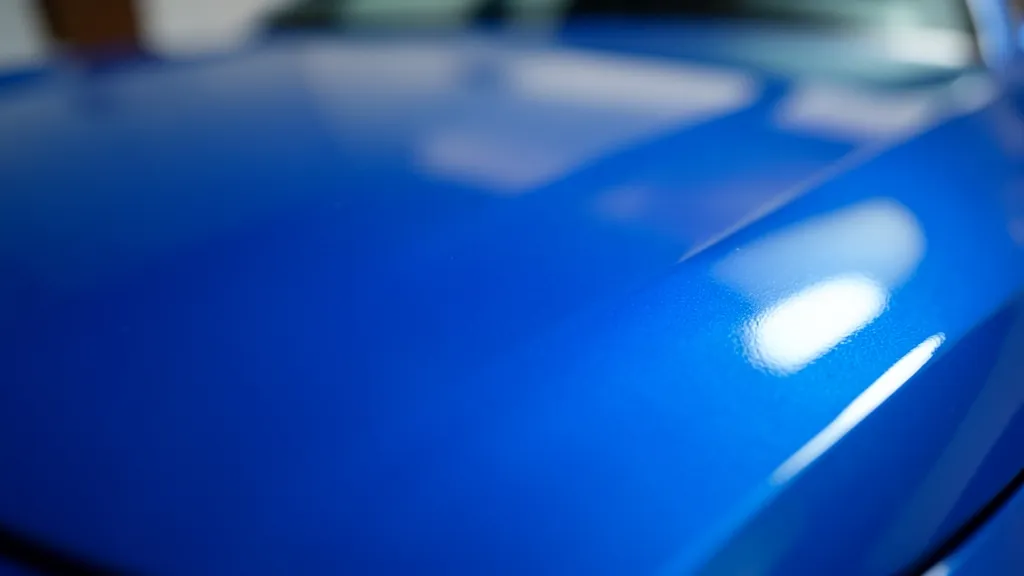
Ceramic coatings are a game-changer for vehicle protection in Richmond’s humid, pollen-heavy climate. But even the toughest coatings can fall victim to embedded contaminants if not cleaned properly. We’ll show you how to remove them safely—without stripping the coating’s integrity or hydrophobic properties.
Why Contaminants Are a Threat to Ceramic Coatings
Ceramic coatings create a hydrophobic barrier, but they’re not invincible. Iron particles, tar, and industrial fallout bond to the surface over time, especially in areas like Mechanicsville or Henrico where road grime is heavy.
These contaminants don’t just look bad—they can degrade the coating’s gloss and durability if left untreated. The key is removing them without abrasive tools or harsh chemicals that break down the ceramic matrix.
Identify the Contaminant Before You Clean
Not all stains are the same. Iron particles (common near railroads in Chesterfield) leave rust-colored specks. Tar and sap appear as dark, sticky spots. Water spots often form after Richmond’s frequent rain followed by intense sun.
Misidentifying the contaminant leads to using the wrong product—like an alkaline cleaner on tar—which can etch or cloud the coating. Always test a small area first.
| Contaminant | Source | Appearance |
|---|---|---|
| Iron Particles | Brake dust, railroads, construction | Rust-colored specks |
| Tar/Sap | Road surfaces, trees in Glen Allen | Dark, sticky residue |
| Water Spots | Hard water, mineral deposits | White or cloudy rings |
| Industrial Fallout | Factories, pollution in Midlothian | Gritty, rough texture |
The Safe Cleaning Arsenal for Ceramic Coatings
Start with a pH-neutral car shampoo—anything acidic or alkaline can prematurely degrade the coating. Microfiber wash mitts and towels prevent swirl marks, which are a bigger risk in Richmond’s dusty springs.
For stubborn contaminants, use a dedicated iron remover or clay bar lubricated with a detailer spray. Avoid household cleaners or degreasers; they’re too harsh for automotive ceramics.
Never use dish soap, Windex, or abrasive pads on ceramic coatings. These strip the hydrophobic layer and leave the paint vulnerable to UV damage and oxidation.
Step-by-Step Contaminant Removal Process
Begin with a thorough rinse to remove loose dirt. Use the two-bucket method—one for soap, one for rinsing your mitt—to prevent recontamination. This is critical in Richmond’s pollen season.
Apply a pH-neutral shampoo with a grit guard to lift surface grime. For embedded contaminants, switch to a clay bar or iron remover, working in small sections. Always follow with a rinse and dry with a clean microfiber towel.
When to Call in the Pros for Paint Correction
If contaminants have etched the coating or the paint beneath, DIY methods won’t cut it. Our team uses machine polishing and specialized compounds to restore clarity without damaging the ceramic layer.
This is common for vehicles in high-traffic areas like Midlothian or Glen Allen, where road debris is more aggressive. Paint correction should always precede reapplying or refreshing a ceramic coating.
After removing contaminants, apply a ceramic-boosting spray sealant to restore hydrophobicity. This is especially useful before winter, when salt and grime are rampant.
Preventing Future Contamination
Regular maintenance is your best defense. Wash your vehicle every two weeks—more often if you’re in Chesterfield or Henrico, where pollen and dust accumulate quickly.
Consider adding paint protection film (PPF) to high-impact areas like the hood and bumper. PPF and ceramic coatings work together: the film absorbs impacts, while the coating repels water and contaminants.
Maintenance Checklist for Ceramic Coatings
- Wash with pH-neutral shampoo biweekly
- Use a clay bar every 3-6 months
- Apply a ceramic spray sealant every 4-6 months
- Inspect for water spots or etching after heavy rain
- Avoid automatic car washes with harsh brushes
Ceramic Coating Longevity in Richmond’s Climate
Richmond’s humidity, UV exposure, and seasonal extremes can shorten a coating’s lifespan if not maintained. A well-cared-for ceramic coating lasts 2-5 years, but neglect can cut that in half.
For fleet or commercial vehicles in areas like Mechanicsville, consider more frequent inspections. These vehicles face heavier exposure to contaminants and require tailored protection plans.
How to Clay Bar Your Ceramic-Coated Vehicle
Clay barring is the safest way to remove embedded contaminants without damaging your ceramic coating.
- 1Prep the Surface
Wash the vehicle with pH-neutral shampoo and dry it completely. Work in a shaded area to prevent the clay from drying out too quickly.
- 2Lubricate the Panel
Spray a clay lubricant or detailer spray onto a small section (about 2x2 feet). This reduces friction and prevents marring.
- 3Gently Glide the Clay
Use light pressure and straight-line motions with the clay bar. Fold the clay frequently to expose a clean surface.
- 4Inspect and Repeat
Wipe the area with a microfiber towel and check for smoothness. If the surface feels rough, repeat the process.
- 5Finish with a Rinse
Rinse the panel and dry it. Follow up with a quick detailer spray to restore the coating’s hydrophobic properties.
Frequently Asked Questions
Can I use a pressure washer on my ceramic-coated car in Richmond?
Yes, but keep the pressure below 2,000 PSI and use a 40-degree nozzle to avoid damaging the coating. Always pre-rinse with a foam cannon to loosen contaminants first.
How do I remove tree sap from my ceramic coating?
Use a dedicated tar and sap remover designed for automotive surfaces. Apply it to a microfiber towel, not directly to the paint, and gently rub the affected area. Avoid household products like Goo Gone.
Will a ceramic coating prevent water spots in Richmond’s hard water?
Ceramic coatings reduce water spots by repelling water, but they don’t eliminate minerals. Always dry your vehicle quickly after rain or washing to prevent deposits.
What’s the difference between a ceramic spray sealant and a full ceramic coating?
A full ceramic coating is a permanent, multi-layered protection applied by professionals. Spray sealants are temporary boosters that enhance hydrophobicity and can be applied at home between professional treatments.
Can I apply a ceramic coating over existing contaminants?
No. The surface must be thoroughly decontaminated and, if necessary, corrected via polishing. Applying a coating over contaminants traps them, leading to premature failure or uneven bonding.
Is ceramic coating worth it for Richmond’s harsh winters?
Absolutely. Ceramic coatings protect against salt, slush, and road grime, which are major threats in Virginia winters. They also make cleaning easier, as contaminants are less likely to bond to the surface.