Why Your Ceramic Coating Might Fail Before 5 Years in Ceramic Coating Richmond
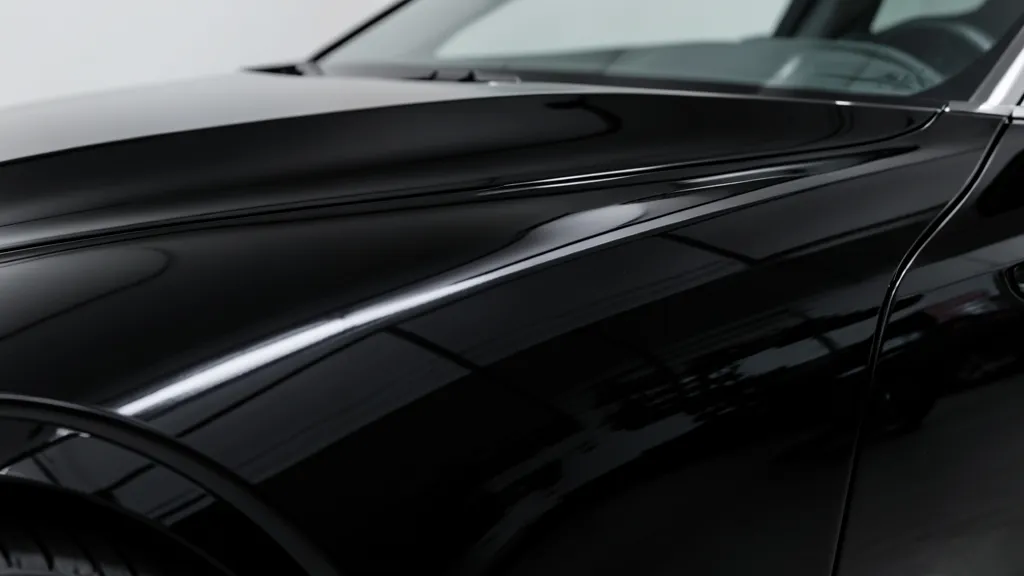
Ceramic coatings promise years of gloss and protection, but many Richmond drivers see them degrade far sooner than expected. Poor prep, harsh local conditions, or improper care can cut lifespan in half. We break down the real reasons coatings fail early—and how to avoid them.
A ceramic coating bonds to the clear coat at a microscopic level. If the surface isn’t perfectly clean and corrected, the bond weakens, leading to peeling or hazing within months.
Richmond’s road salt, industrial fallout, and tree sap embed deep into paint. Skipping clay bar decontamination or iron remover leaves contaminants that prevent proper adhesion.
Even minor swirls or oxidation must be addressed with paint correction. Applying coating over damaged paint locks in imperfections and accelerates failure.
Applying ceramic coating over swirls or oxidation traps defects under the layer. Always perform full paint correction and polishing first.
Richmond’s Climate Accelerates Wear and Tear
Our humid summers and cold winters create a perfect storm for coating stress. UV rays break down the ceramic matrix, while temperature swings cause expansion and contraction, stressing the bond.
Road salt in winter and pollen in spring are highly abrasive. Without regular decontamination, these particles wear down the coating’s hydrophobic layer prematurely.
Heavy rain and frequent car washes can also strip away the top layer if improper techniques or harsh chemicals are used.
Low-Quality Products or Improper Application
Not all ceramic coatings are created equal. Consumer-grade sprays lack the nano-ceramic density and silica content of professional formulations, leading to shorter lifespans.
Application technique matters just as much. Uneven layers, missed spots, or incorrect curing times result in weak spots that fail first.
Professional installers in areas like Ceramic Coating in Henrico or Ceramic Coating in Chesterfield use multi-layer systems and controlled environments to ensure even cross-linking.
| Type | Silica Content | Expected Lifespan | Best For |
|---|---|---|---|
| Consumer Spray-On | 10-20% | 6-12 months | DIY enthusiasts |
| Semi-Pro Grade | 30-50% | 2-3 years | Weekend detailers |
| Professional Grade | 70-90% | 5-7 years | Full-Vehicle Ceramic Coating |
| Industrial/Commercial | 90%+ with additives | 7-10+ years | Fleet & Commercial Vehicle Coating |
Improper Curing and Initial Care
Ceramic coatings require 24-48 hours to begin cross-linking and up to 30 days to fully cure. Exposing the vehicle to rain, car washes, or extreme temperatures during this period can disrupt the process.
Many drivers in Ceramic Coating in Mechanicsville or Ceramic Coating in Midlothian unknowingly wash their car too soon, stripping away uncured layers.
Parking under direct sunlight or in high-humidity areas (common in Richmond summers) can also slow curing, leading to uneven protection.
Harsh Washing Techniques and Chemicals
Automatic car washes with abrasive brushes or high-pH soaps strip ceramic coatings fast. Always use the two-bucket method with pH-neutral shampoo and microfiber wash mitts.
Avoid degreasers, dish soaps, or any product with strong solvents. These break down the hydrophobic layer, reducing water beading and self-cleaning properties.
Even hand-washing mistakes, like drying with a regular towel, can introduce micro-scratches. Use high-quality microfiber and a dedicated drying towel.
Use pH-neutral car shampoo, a grit guard, and separate buckets for wheels and paint. Dry with a clean microfiber towel to prevent swirls.
Ignoring Contaminants and Environmental Damage
Bird droppings, bug splatter, and tree sap are acidic and can etch through ceramic coatings if left untreated. Richmond’s abundance of trees and wildlife makes this a common issue.
Water spots from hard water (high in minerals like calcium) can also leave permanent marks if not removed promptly with a water spot remover.
For areas like Ceramic Coating in Glen Allen, where industrial fallout is prevalent, regular decontamination with iron remover is critical to maintain the coating’s integrity.
Lack of Regular Maintenance and Reapplication
Ceramic coatings aren’t a ‘set it and forget it’ solution. While they reduce maintenance, they still require periodic upkeep to maximize lifespan.
Every 6-12 months, a maintenance spray or booster can refresh the hydrophobic properties. Full reapplication is typically needed every 3-5 years, depending on the product and conditions.
Pairing ceramic coatings with Paint Protection Film (PPF) on high-impact areas (like hoods and bumpers) adds an extra layer of defense against rock chips and scratches.
Annual Ceramic Coating Maintenance
- Wash with pH-neutral shampoo every 2 weeks
- Apply ceramic booster spray every 6-12 months
- Use iron remover and clay bar every 3-6 months
- Inspect for water spots or etching after heavy rain
- Reapply full coating every 3-5 years or as needed
When to Consider Additional Protection
For drivers in high-risk areas (e.g., frequent highway driving in Ceramic Coating in Henrico), combining ceramic coatings with Paint Protection Film (PPF) provides strong defense against chips and scratches.
Ceramic Window Tint can also complement full-vehicle coatings by reducing UV exposure, which helps preserve both the paint and interior.
Wheel and brake caliper ceramic coatings prevent brake dust buildup, a common issue in stop-and-go Richmond traffic, while interior ceramic protection keeps upholstery looking new.
How to Extend Your Ceramic Coating’s Lifespan
Follow these steps to maximize durability and keep your coating performing like new.
- 1Start with Full Paint Correction
Remove all swirls, oxidation, and contaminants with two-step polishing. Use a clay bar and iron remover for deep decontamination.
- 2Choose a Professional-Grade Coating
Opt for a high-silica (70%+) formula applied by a trained installer. This ensures proper bonding and longevity.
- 3Allow Proper Curing Time
Avoid washing or exposing the vehicle to rain for at least 72 hours. Full curing takes up to 30 days—park in a garage if possible.
- 4Adopt a Gentle Washing Routine
Use pH-neutral shampoo, microfiber towels, and the two-bucket method. Dry thoroughly to prevent water spots.
- 5Decontaminate Regularly
Apply iron remover and clay bar every 3-6 months. Remove bird droppings, sap, and bug splatter immediately.
- 6Reapply Boosters and Inspect Annually
Use a ceramic booster spray every 6-12 months. Check for signs of wear, like reduced water beading, and plan reapplication as needed.
Frequently Asked Questions
Can I apply a ceramic coating myself in Richmond, VA?
DIY sprays are an option, but they lack the durability of professional-grade coatings. For long-term results, we recommend hiring an expert for full prep and application, especially given Richmond’s harsh conditions.
How often should I wash my car after ceramic coating?
Wash every 2 weeks with pH-neutral shampoo to prevent contaminant buildup. Avoid automatic car washes, as their brushes and chemicals can damage the coating over time.
Why does my ceramic coating stop beading water after a year?
This usually indicates a loss of hydrophobic properties due to environmental contaminants or improper maintenance. A ceramic booster spray can often restore beading, but full reapplication may be needed if the coating is heavily degraded.
Does ceramic coating protect against rock chips in Ceramic Coating Richmond?
Ceramic coatings add a hard layer that resists minor scratches, but they won’t stop rock chips. For full protection, pair the coating with Paint Protection Film (PPF) on high-impact areas.
What’s the difference between ceramic coating and wax?
Wax provides temporary shine and protection (lasting weeks), while ceramic coatings bond to the paint for years of durable, hydrophobic defense. Coatings also resist UV damage and chemicals far better than wax.
Can I use a pressure washer on a ceramic-coated car?
Yes, but keep the nozzle at least 12-18 inches away and use a wide spray pattern. High pressure can strip the coating if directed too closely or at sharp angles.