The Science Behind Hydrophobic Properties in Premium Ceramic Coatings in Ceramic Coating Richmond, VA
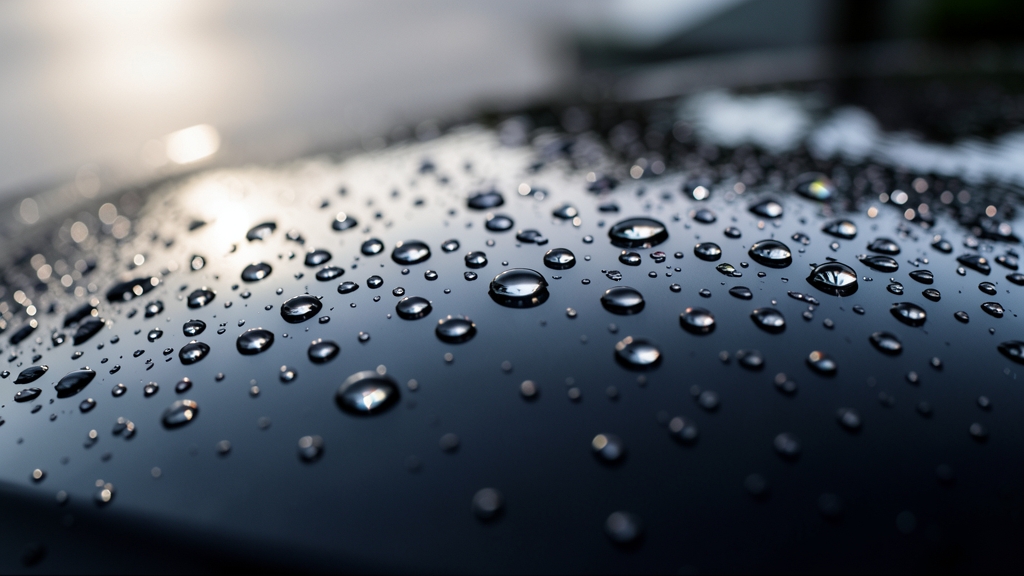
Hydrophobic ceramic coatings transform how water interacts with your vehicle’s surface, but the real magic lies in the nanoscale science behind it. We break down the chemistry, application nuances, and why Richmond’s climate makes this protection a game-changer for long-term paint preservation.
What Makes a Ceramic Coating Hydrophobic?
The hydrophobic effect in ceramic coatings stems from nano-ceramic particles, primarily silica dioxide (SiO2), that form a tight matrix with your vehicle’s clear coat.
True hydrophobicity isn’t just about beading; it’s measured by the contact angle. Premium coatings achieve 110°–120°, meaning water sits almost perfectly spherical before shedding. This is critical in Richmond, where humidity and sudden downpours test your paint’s defenses daily.
Nano-Technology: The Backbone of Water Repellency
Ceramic coatings use nanoparticles—often 100–200 nanometers in size—to fill microscopic imperfections in your paint. These particles create a glass-like layer that’s both hydrophobic and oleophobic, repelling water *and* contaminants like oil or tar.
In Richmond’s urban and suburban areas, from Mechanicsville to Glen Allen, this nano-layer acts as a shield against industrial fallout, pollen, and even the acidic residue from nearby highways. The result? Easier cleaning and less frequent detailing.
Hydrophobicity depends on perfect adhesion. Always start with paint correction and polishing to remove swirls, oxidation, or old wax. Skipping this step in Ceramic Coating Richmond applications cuts longevity in half.
Hydrophobic vs. Hydrophilic: Why It Matters for Your Vehicle
Hydrophilic surfaces attract water, causing it to sheet and spread—exactly what you *don’t* want on your paint. Hydrophobic coatings force water to bead, reducing water spots and mineral deposits from Richmond’s hard water.
This property also enhances the self-cleaning effect. As water beads roll off, they carry dirt and grime with them, keeping your vehicle cleaner between washes. It’s a passive defense system that works flexible.
| Property | Hydrophobic Coating | Hydrophilic Surface |
|---|---|---|
| Water Behavior | Beads and rolls off | Sheets and spreads |
| Contact Angle | 110°–120° | 0°–30° |
| Self-Cleaning | High (dirt lifts with water) | Low (dirt clings) |
| Water Spot Risk | Minimal | High |
| Durability | 2–5+ years with proper care | None (natural surface) |
How Richmond’s Climate Tests Hydrophobic Coatings
Richmond’s humid summers and cold, wet winters are a perfect storm for paint damage. Hydrophobic coatings excel here by preventing water from lingering, which reduces the risk of oxidation and water etching from acidic rain or road salt in Henrico and Chesterfield.
The UV index in Virginia can also fade and degrade paint over time. Ceramic coatings add a UV-resistant layer, preserving your vehicle’s gloss and color depth. This is especially valuable for fleet vehicles or daily drivers exposed to the elements year-round.
Longevity: What to Expect from a Hydrophobic Ceramic Coating
With professional application and proper maintenance, a premium ceramic coating can last 2–5 years or more. The hydrophobic effect remains strong for the first 1–2 years, gradually diminishing as the coating cures and bonds fully with the paint.
Factors like parking under trees in Midlothian or frequent highway driving in Glen Allen can introduce contaminants that degrade the coating faster. Regular washing with pH-neutral soaps and annual touch-ups help extend its life.
Hydrophobic Coatings vs. Traditional Wax or Sealants
Wax and synthetic sealants provide temporary hydrophobicity, but they lack the durability and depth of protection of a ceramic coating. Wax lasts 1–3 months; sealants, 4–6 months. Ceramic coatings, once applied, form a semi-permanent bond with the paint.
Unlike wax, ceramic coatings don’t break down under UV exposure or high temperatures. They also resist chemicals like bird droppings or bug splatter, which can etch waxed surfaces in a matter of hours.
Consumer-grade ceramic sprays rarely achieve true hydrophobicity. Professional-grade coatings require precise application and curing—mistakes can lead to streaking, uneven bonding, or premature failure.
Enhancing Hydrophobicity with Additional Protective Services
For maximum protection, pair ceramic coatings with other services. Paint Protection Film (PPF) adds a physical barrier against rock chips and scratches, while ceramic window tint reduces UV exposure inside the cabin. These layers work together to create a comprehensive shield.
In areas like Mechanicsville or Glen Allen, where road debris is common, combining PPF on high-impact areas (hood, bumper, mirrors) with a full-vehicle ceramic coating ensures both hydrophobic benefits and physical protection.
Maintaining Hydrophobic Performance Over Time
Hydrophobicity isn’t a set-it-and-forget-it feature. To maintain peak performance, wash your vehicle every 1–2 weeks using the two-bucket method and a microfiber wash mitt. Avoid automated car washes with harsh brushes—they can strip the coating.
Use a ceramic-safe spray sealant every 3–6 months to refresh the hydrophobic layer. This is especially important in Richmond, where seasonal pollen and road grime can accelerate wear.
Hydrophobic Coating Maintenance Essentials
- Wash with pH-neutral car shampoo
- Use a microfiber towel for drying to prevent swirls
- Avoid wax or silicone-based products (they can clog the coating)
- Apply a ceramic boost spray every 3–6 months
- Park in a garage or under cover when possible
How to Test Your Ceramic Coating’s Hydrophobic Performance
A simple water test can confirm if your coating’s hydrophobic properties are still active.
- 1Clean the Surface
Wash and dry a section of your vehicle’s paint to remove any dirt or contaminants that could skew the results.
- 2Use a Spray Bottle
Fill a spray bottle with distilled water and mist a small area of the paint from 6–8 inches away.
- 3Observe the Beading
Watch how the water behaves. Properly hydrophobic coatings will form tight, round beads that roll off easily.
- 4Check the Contact Angle
If the water flattens or sheets, the hydrophobic effect is weakening. Tight, high beads indicate strong performance.
- 5Test Multiple Areas
Repeat on different panels, especially high-exposure areas like the hood or roof. Inconsistent beading may signal uneven application or wear.
Frequently Asked Questions
How long does the hydrophobic effect last on a ceramic coating in Richmond, VA?
The strongest hydrophobic effect typically lasts 1–2 years, with noticeable beading for up to 5 years with proper maintenance. Richmond’s climate—humidity, UV exposure, and road salt—can accelerate wear, so regular upkeep is key.
Can I apply a ceramic coating myself for hydrophobic protection?
While DIY kits exist, professional application ensures even bonding and maximum hydrophobicity. Mistakes in prep or application can lead to streaking, poor adhesion, or reduced longevity. For Ceramic Coating Richmond vehicles, we recommend expert installation.
Will a hydrophobic ceramic coating prevent water spots?
Yes, but not entirely. The coating’s low surface energy reduces water’s ability to cling, minimizing spots. However, mineral-heavy water (common in Richmond) can still leave deposits if not rinsed off promptly.
Does hydrophobic ceramic coating work on wheels and brake calipers?
Absolutely. Wheel and brake caliper ceramic coatings provide the same hydrophobic and heat-resistant benefits, making them easier to clean and more resistant to brake dust and road grime. This is a popular add-on for Ceramic Coating in Henrico and Chesterfield.
How does hydrophobic ceramic coating compare to Paint Protection Film (PPF)?
PPF offers physical protection against scratches and chips, while ceramic coatings provide chemical resistance and hydrophobicity. Many Richmond drivers combine both: PPF on high-impact areas and ceramic coating for the rest of the vehicle.
What’s a way to restore hydrophobicity if it starts to fade?
Use a ceramic-specific spray sealant or boost product to refresh the hydrophobic layer. For severe fading, a professional reapplication may be needed. Avoid wax, as it can interfere with the coating’s performance.